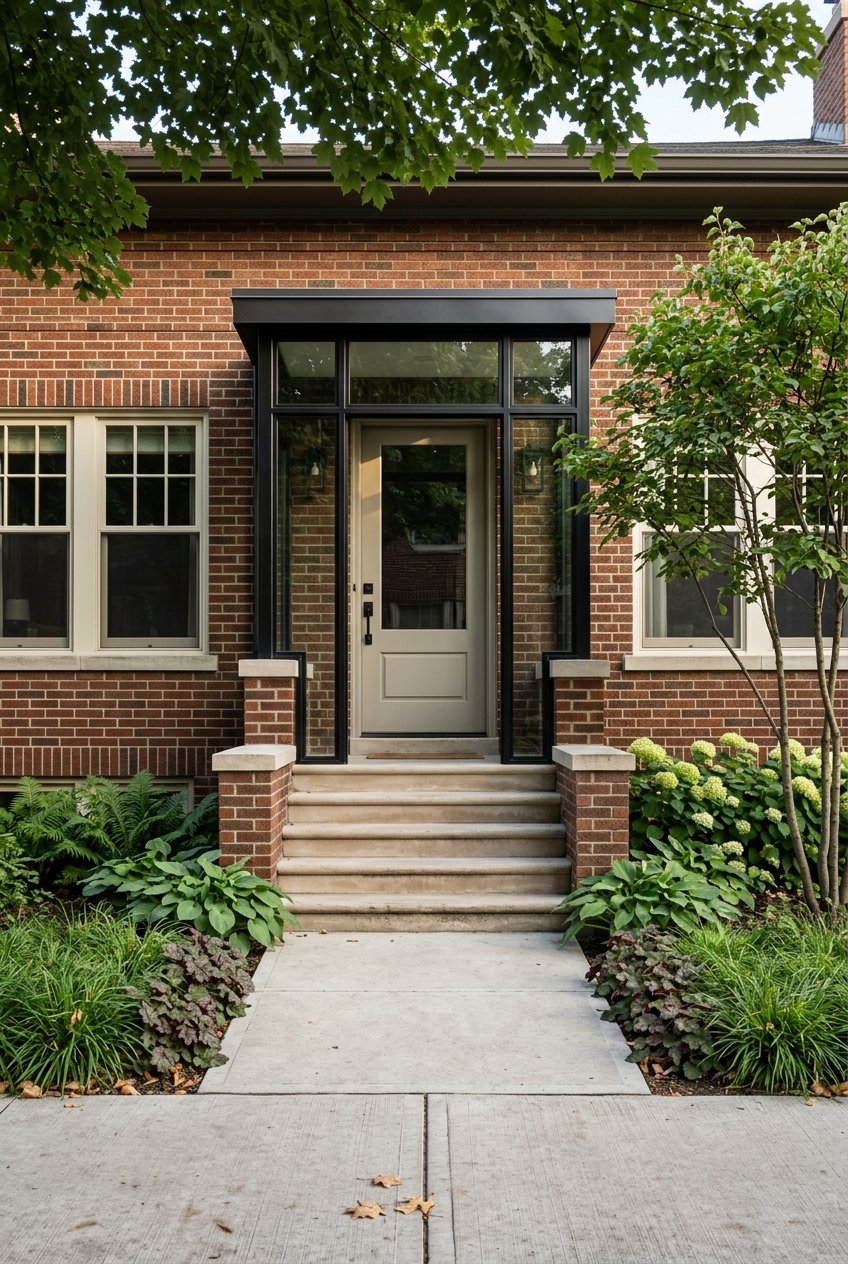
Choosing a Whittier Condo vs Walk Up Home
May 7, 2026
May 7, 2026
Wondering whether a condo or a classic walk-up makes more sense in Whittier? You are not alone. In this part of Minneapolis, two homes a few blocks apart can offer very different ownership experiences, even when both look appealing online. If you are trying to balance character, maintenance, monthly costs, and long-term flexibility, this guide will help you compare the options with more confidence. Let’s dive in.
Whittier is a compact south Minneapolis neighborhood about one mile from downtown, with roughly 81 square blocks and about 14,000 residents. It is known for its mix of housing types, easy bus and bike access, and destinations like the Minneapolis Institute of Art and Eat Street. In a neighborhood like this, low-maintenance urban living and transit access often matter more than features like large yards or private driveways.
Whittier also has a layered housing history that shapes today’s market. The area includes late-1800s houses, duplexes, apartment buildings, and properties that were later divided or adapted into smaller homes. That is a big reason you can find both newer condo-style living and older, character-rich units in classic walk-ups or converted mansions.
Newer condos are typically the more standardized option. You own your individual unit, while shared spaces and building systems are owned and managed collectively through an association. For many buyers, that structure creates a more predictable maintenance routine.
Monthly association dues are a major part of the picture. Those dues may help cover exterior maintenance, common-area upkeep, water, sewer, trash, insurance, and reserve funding. That can make day-to-day ownership feel simpler, but it also means your true monthly cost is more than just your mortgage payment.
In Whittier, newer condos often appeal to buyers who want a more turnkey setup. If you value a clearer system for repairs, shared responsibilities, and budgeting, this type of property may feel easier to manage. The tradeoff is that you need to look closely at the association, not just the unit itself.
Classic walk-ups and converted-mansion units in Whittier tend to offer more architectural variation. Because the neighborhood developed over time and includes adapted older buildings, these homes often come with unique layouts, original materials, and room proportions that feel different from a newer project.
That character is often the draw. You may find details and floor plans that feel warmer, more distinctive, or more connected to Whittier’s history. For buyers who care about design and old-building texture, that can be a real advantage.
Still, older buildings usually bring more variation in systems, finishes, and sound performance. One unit may feel beautifully preserved, while another building nearby may need major work behind the walls or at the exterior. In Whittier, that means you should evaluate each building on its own terms.
In practice, the better comparison is often standardized ownership versus character-rich ownership. Two homes might both be legally condos, but one could be in a newer, more uniform building and the other in a converted historic structure with very different maintenance needs.
That is especially true in Whittier because the neighborhood contains such a wide housing mix. The label matters less than the building’s condition, reserve health, insurance setup, and management. If you focus only on finishes or square footage, you can miss the factors that shape your monthly experience and future resale.
A lower price does not always mean a lower cost to own. HOA or condo dues are often paid separately from your mortgage, and they can range from a few hundred dollars to more than one thousand dollars per month. When you compare homes, those dues should be treated as part of the full monthly carrying cost.
Ask what the fee actually covers. If dues include major maintenance items, utilities, insurance, or reserve contributions, a higher fee may still make sense. On the other hand, a lower fee can be less reassuring if the building is underfunded or likely to need fee increases later.
This is one area where Whittier buyers benefit from slowing down. In older or more complex buildings, monthly dues may not tell the whole story unless you also review reserve strength and planned capital projects.
Minnesota law requires condo associations to budget for replacement reserves, keep reserves separate from operating funds, and reevaluate reserve adequacy at least every third year. For you as a buyer, that makes reserves one of the clearest windows into the building’s financial health.
Strong reserves can suggest the association is planning ahead for large expenses. Weak reserves can increase the risk of deferred maintenance, budget strain, or special assessments. That matters in any condo purchase, but especially in Whittier where older buildings may face more expensive exterior or system-related work.
A local example helps show why this matters. The Condos on Blaisdell in Whittier pursued city-backed financing for major renovation work that included windows, brick repair, garage and deck work, ventilation, water lines, and air conditioning. Even well-kept buildings can face major capital needs, so the association’s planning matters as much as the home’s appearance.
In Minnesota, condo associations must provide disclosure information, and buyers are given important notice that the disclosure statement or resale disclosure certificate includes key details and cancellation rights. The association must provide the resale disclosure certificate within 10 days after a request, and the unit owner must provide the declaration, articles, bylaws, rules, and amendments before closing.
That is why fast document review is so important. If you are comparing a newer condo with an older walk-up unit, the paperwork may reveal more than the listing photos ever could. You want to know about reserves, planned projects, rules, insurance, and any issues that could affect ownership or financing.
Insurance can be easy to overlook, but it deserves close attention. Condo projects generally need a master property insurance policy for the common elements and residential structures. At the same time, you may still need your own unit-owner policy if the master policy does not cover the interior or your improvements.
You should also ask about deductibles and possible loss-assessment exposure. In some situations, costs can flow back to owners after a covered event. That means insurance is not just a box to check. It is part of understanding your real financial risk in the building.
When lenders review condo purchases, they may look beyond your personal qualifications. They can also review the project’s physical condition, financial stability, inspections, lawsuits, outstanding structural debt, and other factors that affect financing.
This is one reason a charming older unit can be more complicated than it first appears. If the building has weak finances or unresolved issues, buyer financing options may narrow. In a neighborhood like Whittier, where historic and adapted buildings are common, the building’s paperwork can matter just as much as the unit’s style.
If sound control matters to you, avoid making assumptions based on the property type alone. Whittier includes historic houses, apartment buildings, converted properties, and newer homes, so acoustics can vary widely from one building to the next.
Ask practical questions during your review period:
The same building-by-building approach applies to maintenance. An older walk-up may be beautifully run and well funded, while a newer building may still have issues. The details matter more than the category.
Whittier’s historic setting is part of its appeal, but it can also affect what changes are allowed. The Washburn-Fair Oaks Historic District is designated for exterior preservation, so buyers in converted or historic buildings should ask whether planned exterior work is subject to review.
That does not make a historic property a bad choice. In fact, it can help preserve the look and feel that drew you to the building in the first place. But it is smart to understand those limits before you buy, especially if you are hoping to change windows, exterior features, or other visible elements later.
If you want the simplest day-to-day ownership experience, a newer condo may be the better match. The structure is often more predictable, and the maintenance model can be easier to understand upfront. That can be especially attractive if you want urban living with fewer hands-on responsibilities.
If you are drawn to original materials, unique layouts, and a stronger sense of architectural history, a classic walk-up or converted building may feel more rewarding. Just go in with a clear eye. In Whittier, character is a real asset, but it should be backed by healthy reserves, solid management, and realistic expectations around maintenance.
The best choice usually comes down to your budget, your tolerance for maintenance risk, and how much you value standardization versus individuality. In a neighborhood this dense, historic, and amenity-rich, the healthiest building for your needs is often the better choice than any broad property label.
If you want help sorting through Whittier condos, older walk-ups, or character-rich buildings with more nuance, working with someone who understands Minneapolis architecture and neighborhood fit can make the process much clearer. You can connect with Erin Sjoquist for thoughtful guidance tailored to how you actually want to live.

September 10, 2026

August 27, 2026
August 13, 2026
August 6, 2026
July 16, 2026
July 2, 2026
June 18, 2026
June 4, 2026
May 21, 2026
Real estate isn’t just about properties — it’s about people, goals, and dreams. I approach every transaction with heart, strategy, and a commitment to achieving the best possible outcome for my clients. Whether you’re navigating a life change or seizing an investment opportunity, I’m here to make it simple, seamless, and successful.
GET IN TOUCH WITH ERIN

ERIN SJÖQUIST
1350 Lagoon Ave Ste 900 Minneapolis MN 55408