Do you ever stroll along Lake of the Isles and wonder what story each home is telling? If you appreciate old-house character, East Isles is a living field guide to classic American architecture. You can learn to spot the details that set each style apart, and what those clues mean for maintenance, resale, and day-to-day living. This guide gives you quick visual IDs, a short walking route, and smart next steps so you can look with confidence. Let’s dive in.
Orient yourself to East Isles
You are on the east side of Lake of the Isles in a compact, walkable neighborhood with a high concentration of late 19th and early 20th century homes. Roughly, think W 22nd St to W Lake St, and Hennepin Ave to the lakeshore. For a helpful overview, check the neighborhood context and map from the East Isles Residents Association on the East Isles website. Their brief historic study is a great starting point for understanding how the area grew and why the styles cluster where they do. You can find that orientation on the East Isles page about the neighborhood.
- Explore the neighborhood context and map on the East Isles site at the East Isles About the Neighborhood page: East Isles overview.
Spot styles at a glance
Below are the major styles you will see, with quick IDs and practical notes. Use the named local examples as anchors while you walk.
Victorian and Queen Anne
- Quick ID
- Asymmetrical façades with complex rooflines.
- Towers or turrets, wraparound porches, and decorative brackets.
- Mixed textures like fish-scale shingles with brick or stone.
- Inside hints
- Formal entry halls, turned stair balusters, stained glass.
- Local presence
- You will see Queen Anne influences on and near the lakefront and in pockets inside East Isles. Nearby Kenwood and Lowry Hill also show strong examples.
- Practical notes
- Ornate trim and porches need periodic repair and fresh paint.
- Complex rooflines mean more flashing and valleys, which can raise roofing costs.
- Original millwork is a resale plus for buyers who value historic character. Mechanical upgrades can be more complex when original plaster and trim are intact.
Prairie School and Arts & Crafts
- Quick ID
- Strong horizontal lines and low, hipped roofs with wide eaves.
- Grouped casement windows, often with art glass.
- Natural materials and integrated porches or terraces.
- Local anchor
- The Purcell–Cutts House at 2328 Lake Place is a textbook Prairie School home and is interpreted by the Minneapolis Institute of Art. See the banded casements, art glass, and built-ins that define the style: Purcell–Cutts House.
- Practical notes
- Original casements and art glass are prized and costly to replace. Repair first, then add storms and weatherstripping. The National Park Service outlines repair-forward weatherization that protects historic fabric: NPS weatherization guidance.
Tudor Revival and English period revivals
- Quick ID
- Steep roofs, often slate on high-end examples.
- Tall, sometimes clustered chimneys and arched entries.
- Half-timbering with stucco or brick infill, plus leaded casement windows.
- Local anchor
- The lakeshore includes grand Tudors that show the style’s full range of materials and detail. A Star Tribune profile of a notable Isle’s Tudor illustrates slate roofing, heavy chimneys, and carved wood accents: Star Tribune feature.
- Practical notes
- Slate roofs and masonry trim are character-defining and require specialized trades. Expect higher upkeep but strong resale appeal when well preserved.
Craftsman and Bungalow
- Quick ID
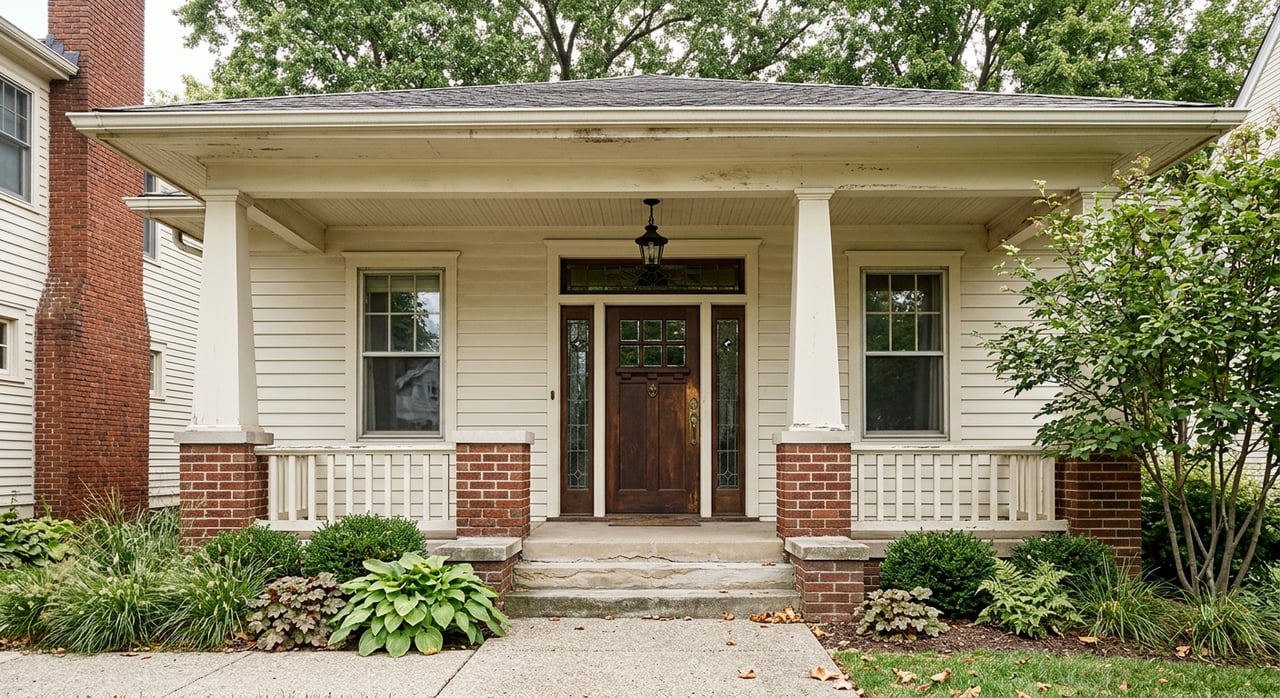
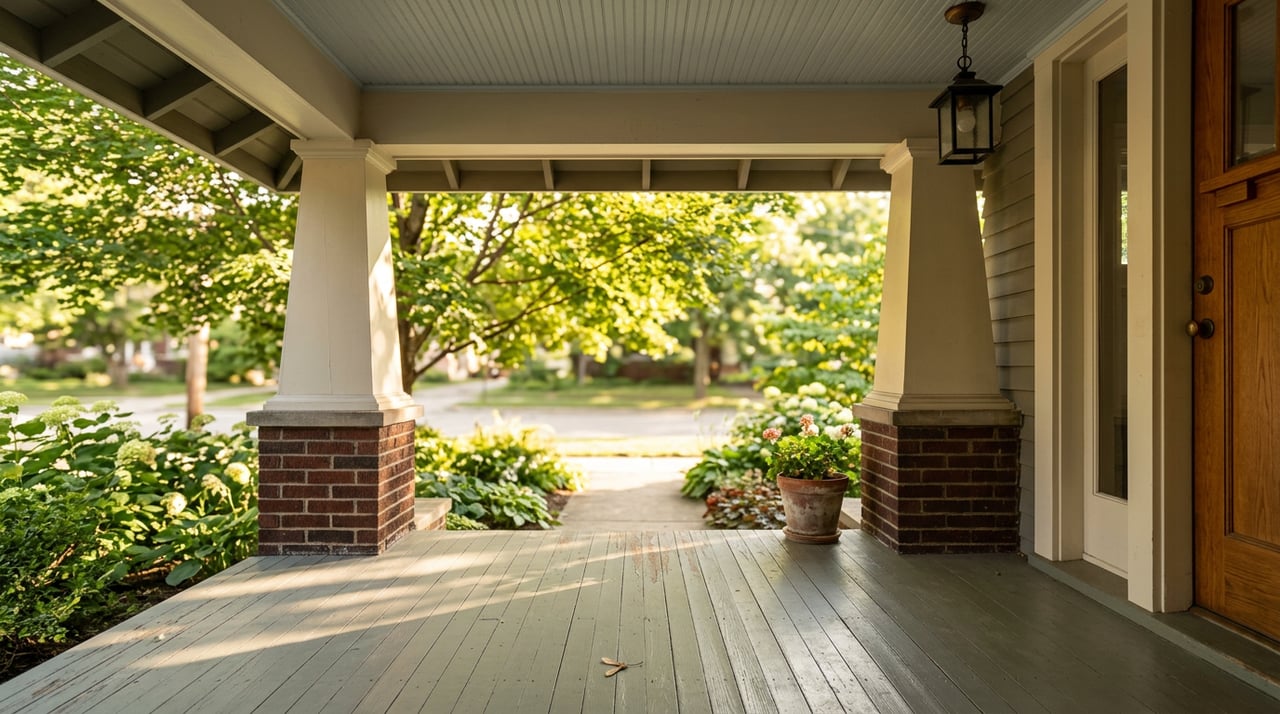
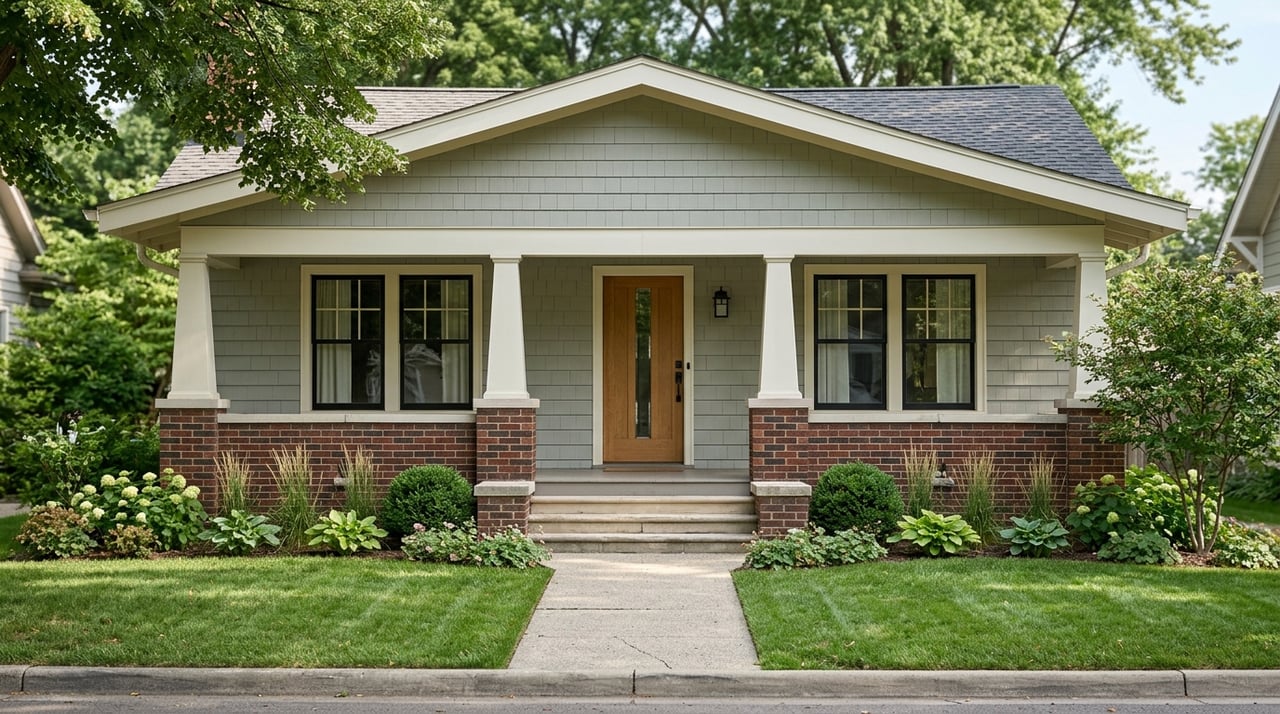
- Low-slung proportions with wide porches and tapered columns on piers.
- Exposed rafter tails and simple, natural materials.
- Inside, look for built-ins and warm woodwork.
- Practical notes
- Porches and overhangs need regular attention.
- Preserving original doors, trim, and windows adds value. Weatherization that keeps original windows in place is often the best balance of comfort and character. See NPS guidance for approaches that respect historic exteriors: NPS weatherization guidance.
Colonial and Georgian Revival
- Quick ID
- Symmetry, classical door surrounds, and multi-pane double-hung windows.
- Brick or clapboard exteriors and formal entries.
- Practical notes
- Plan for brick repointing and historically compatible window and door repair over time. The familiar, formal layout appeals to many buyers who prefer traditional plans.
What details mean for upkeep and value
When you spot a detail, you are also spotting likely maintenance and investment needs. Here is how to translate what you see into questions and budgets.
- Slate roofs signal quality and longevity, but repairs require specialized roofers. Get an age and condition estimate early in your due diligence.
- Complex Victorian trim and porches are beautiful but need recurring paint and wood repair. Budget for maintenance cycles.
- Original windows are not automatic energy losers. With repair, weatherstripping, and good storms, they can perform well while keeping the home’s character. The NPS explains how to do this without losing historic fabric: NPS weatherization guidance.
- Masonry and stonework on Tudors and Colonial Revivals need periodic attention. Look for spalling, soft mortar, or past repointing with mismatched mortar.
- Built-ins, art glass, and intact millwork are market differentiators. Buyers who love character will pay for authenticity, especially when mechanicals are thoughtfully updated.
A short East Isles walking route
Use this loop to train your eye in 10 to 30 minutes. Bring a camera and note how features repeat from house to house.
Start at the Purcell–Cutts House at 2328 Lake Place. Even from the sidewalk, you can see the horizontal emphasis, grouped casements, and art glass that define Prairie School design. Learn more from the Minneapolis Institute of Art’s page on the home: Purcell–Cutts House.
Walk east to East Lake of the Isles Parkway, then turn south along the lake. As you go, look for Tudor cues like half-timbering, tall chimneys, and slate roofs. For a visual of high-style Tudor features common on the lakeshore, see this local press example: Star Tribune feature.
Continue south toward the Charles Frederick Keyes House at 2225 E Lake of the Isles Parkway. It bridges Queen Anne tendencies with emerging Craftsman details and is a City-designated landmark. Read how Minneapolis documents its significance and exterior features: Keyes House landmark profile.
Finish with a short stop at The Mall Park loop. Neighborhood letters and public discussions sometimes cover park and street changes that shape the look and feel of blocks here. For context on recent conversations, see this neighborhood letter: EINA letter on The Mall Park.
As you walk, practice connecting features to likely upkeep. Slate roof plus tall chimney suggests higher roofing and masonry costs. Banded casements with art glass suggests careful window repair and storms rather than replacement.
Know the rules before you renovate
In Minneapolis, historic designation can affect what you can change on the exterior that is visible from the street. Some nearby areas, like the Lowry Hill East Residential Historic District, show how designation can require review for exterior work. If you are considering a specific East Isles property, always check its status through the City’s Heritage Preservation program and look for Certificates of Appropriateness if it is designated. You can review how local designation works and what it covers in a City designation study: Lowry Hill East study example.
Tip: Ask your agent to confirm property-specific status with CPED staff before you plan any visible exterior changes.
Smart inspection checklist for old homes
Bring these questions to showings and your inspection, especially near the lake where groundwater can run high.
- Roofing
- What is the roof type and age, and are there active leaks or past patching? Slate and tile require specialist estimates.
- Masonry and stone
- Any spalling, soft mortar, or mismatched repointing? Ask about past masonry work and who did it.
- Windows and storms
- Are original sashes or art glass intact? Consider repair and storms before replacement. See best practices here: NPS weatherization guidance.
- Foundation and basement
- Any signs of chronic moisture, sump pumps, drain tiles, or cracking? Ask for records of water mitigation work.
- Mechanicals
- What is the age and permit history for HVAC, plumbing, and electrical? Look for very old wiring or plumbing that may need replacement.
- Permits and records
Incentives and why restoration can pay off
If a property is a certified historic structure, rehabilitation work may qualify for tax credits. Minnesota’s State Historic Preservation Office administers a state Historic Structure Rehabilitation Tax Credit that can pair with the federal credit for qualifying, certified projects. Engage SHPO early if you plan a major rehab: Minnesota SHPO preservation programs.
Beyond incentives, preservation has community and environmental benefits. The National Trust’s research on building reuse outlines why keeping and adapting older buildings can be good for neighborhoods and sustainability: Preservation Green Lab research.
Ready to buy or sell a historic home?
If you are planning a move in East Isles or nearby, you deserve guidance that respects design details and balances them with real-world budgets. From identifying character-defining features to mapping out smart updates, you can make confident choices that fit your goals. When you are ready to talk strategy, market timing, or a tailored search around Lake of the Isles, connect with Erin Sjoquist for thoughtful, neighborhood-rooted representation.
FAQs
How can I tell a Prairie School home in East Isles?
- Look for strong horizontal lines, low hipped roofs with wide eaves, and grouped casement windows with art glass. The Purcell–Cutts House is your best local example: Purcell–Cutts House.
Do original windows hurt energy performance in historic homes?
- Not necessarily. Repairing wood windows, adding weatherstripping, and using storm windows can improve performance while preserving character. See best practices in the NPS weatherization brief: NPS guidance.
Are East Isles properties in a historic district with review rules?
- Some nearby areas, such as Lowry Hill East, are locally designated and require review for exterior changes visible from the street. Always verify a specific property’s status and rules with Minneapolis CPED. For an example of how designation works, see the City’s study: Lowry Hill East study.
What should I check in basements near Lake of the Isles?
- Look for signs of chronic moisture, sump pumps, drain tiles, and any cracking. Ask for documentation of water mitigation and replacement timelines for pumps and systems.
Why do Tudors often cost more to maintain?
- Slate roofs, extensive masonry or stone trim, and leaded windows are defining features that require specialized trades for repair. Preservation adds value but calls for higher ongoing upkeep.
Can I get tax credits for rehabbing a historic home in Minnesota?
- If your property is a certified historic structure and your project meets the program standards, you may qualify for state and federal credits. Start with Minnesota SHPO to understand requirements: SHPO programs.