Love the character of century‑old homes but want a quick hop to downtown and the lakes? Lowry Hill might be your sweet spot. Here, you get leafy blocks, landmark architecture, and everyday access to the Walker campus and the Chain of Lakes. In this guide, you’ll learn how the neighborhood is laid out, what living here feels like, the types of homes you can find, and what to know before you buy or sell. Let’s dive in.
Where Lowry Hill sits and why it works
Lowry Hill sits immediately west of downtown Minneapolis, with commonly used boundaries of I‑394 to the north, I‑94/Hennepin Avenue to the east, W 22nd Street to the south, and Lake of the Isles Parkway to the west. You can confirm these reference points through the neighborhood association’s overview of Lowry Hill’s boundaries and profile.
Day to day, you feel close to everything. Most blocks rate as “Very Walkable” and “Very Bikeable,” and transit access is good to fair depending on the street. You can check commute feel and route options by looking up your block on WalkScore’s Lowry Hill page.
Historic roots and architectural styles
Lowry Hill grew as an upper‑class residential enclave in the late 19th and early 20th centuries, shaped by early streetcar access and parkway planning. The result is a hilltop neighborhood with mature trees and statement homes. For a concise history, see the Lowry Hill profile on LivingPlaces.
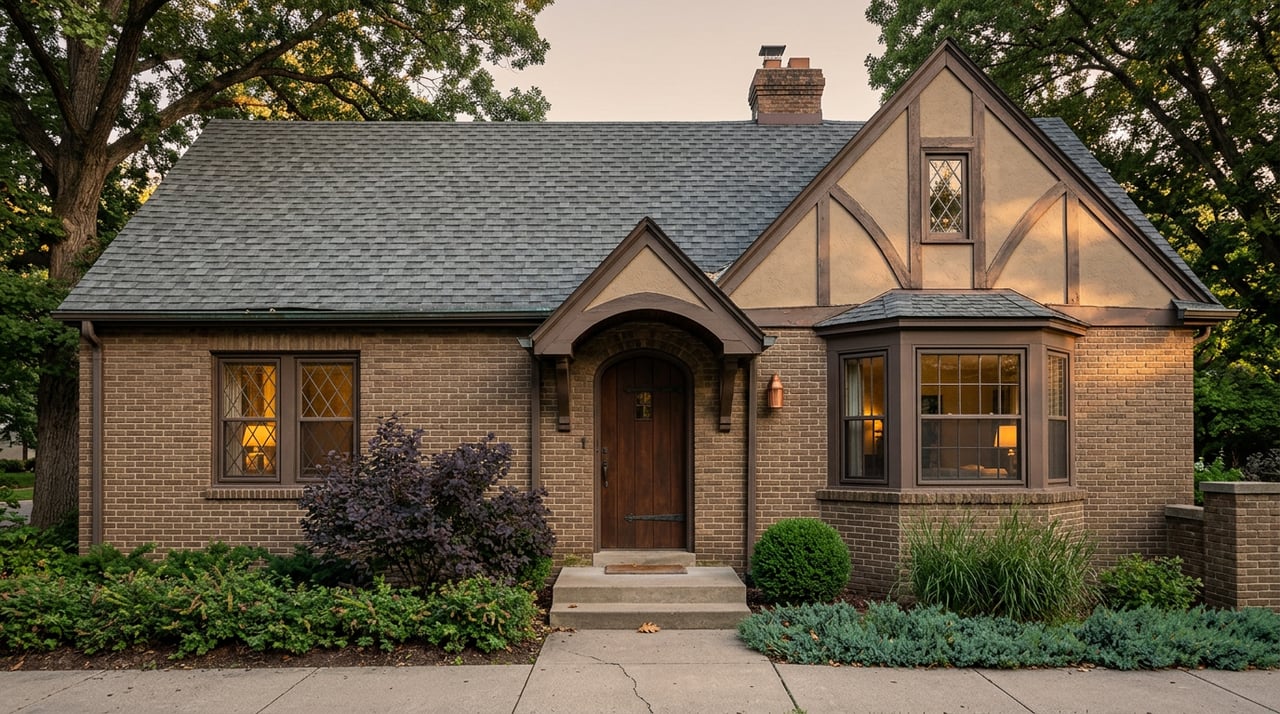
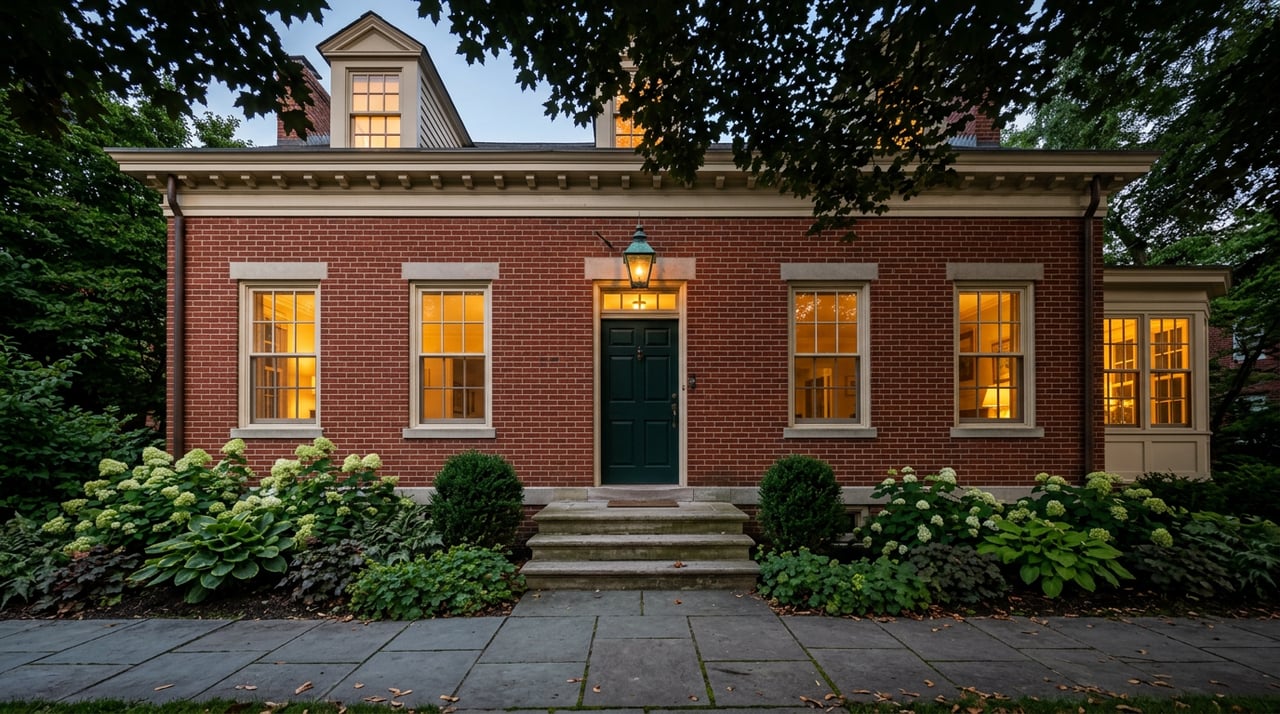
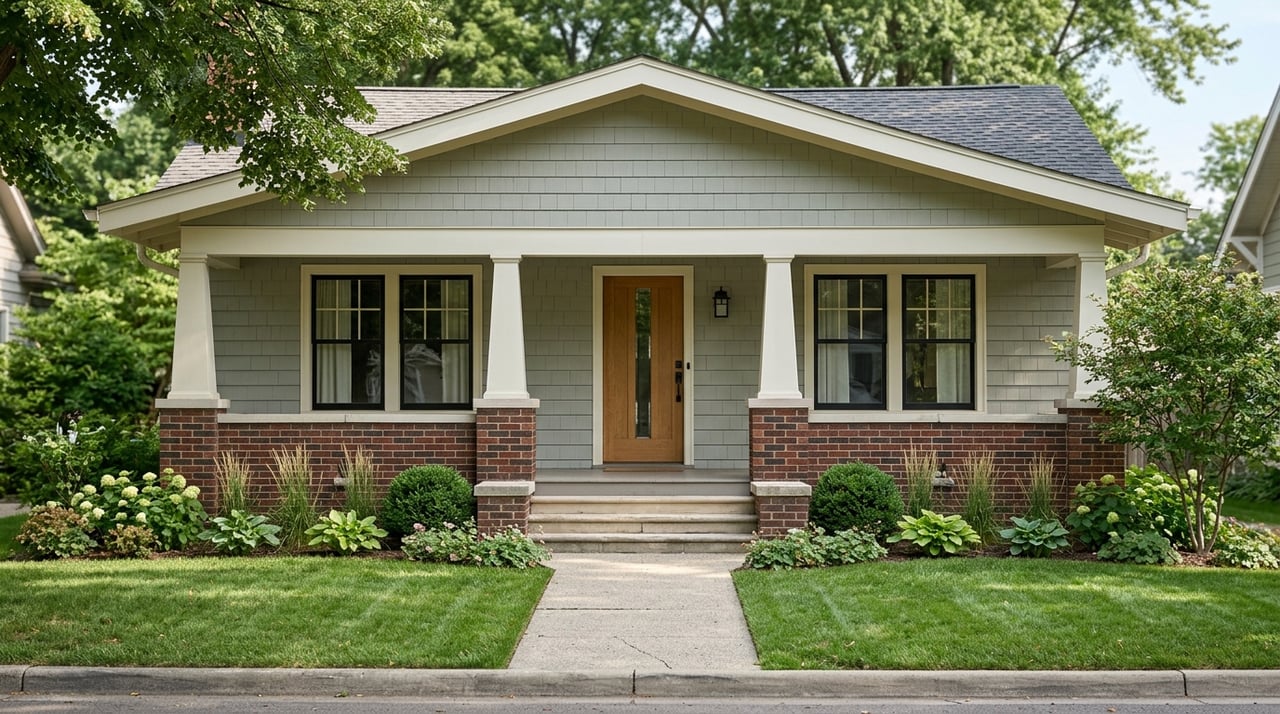
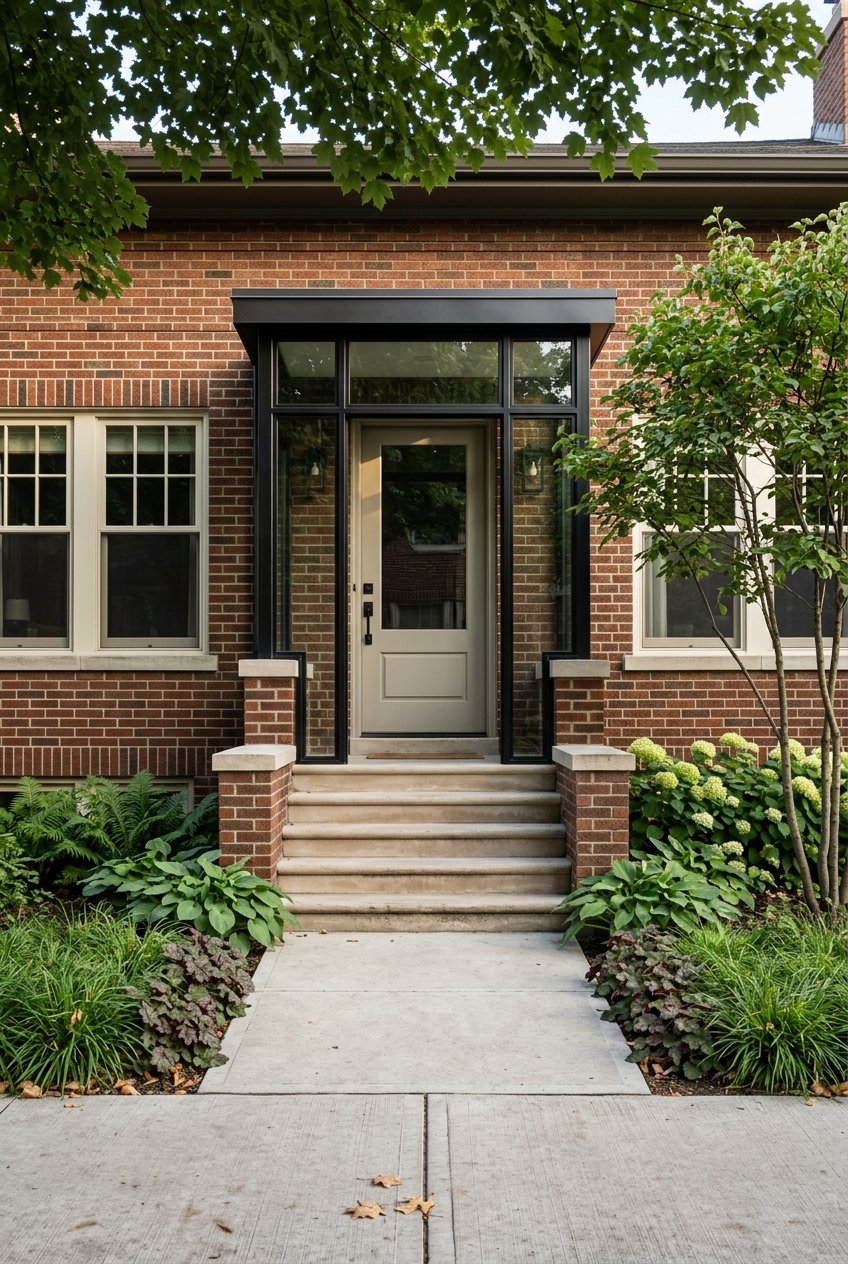
You will see a range of classic styles, including Colonial Revival, Queen Anne, Tudor, and Prairie‑influenced designs. Some streets, like Kenwood Parkway and Mount Curve, are known for intact high‑style houses and a cohesive historic feel. A standout example is the Charles J. Martin House at 1300 Mount Curve Avenue, a local landmark and National Register property you can read about on the City of Minneapolis site.
Parks, culture, and Chain‑of‑Lakes access
One of Lowry Hill’s biggest draws is the balance of city culture and green space.
- Walker Art Center and Sculpture Garden. On the neighborhood’s eastern edge, the Minneapolis Sculpture Garden is an 11‑acre public campus next to the Walker, offering art, skyline views, and a direct link to surrounding parkways. Explore current exhibits and park details on the Sculpture Garden page.
- Parade Park and Ice Garden. Just west of the Walker, you’ll find athletic fields and the public ice rink at Parade. It is a year‑round recreation hub for practices, games, and winter skating. See amenities and programs on the Parade Park page.
- Lake of the Isles and the Chain of Lakes. Lowry Hill edges right up to Lake of the Isles, with quick access to trails, shoreline improvements, canoe racks by permit, and winter skating when conditions allow. For current amenities, permits, and seasonal updates, visit Lake of the Isles Park.
- Thomas Lowry Park. This small, historic pocket park on the hill has benches and cascades that make it a quiet neighborhood stop. You can find a brief description in the neighborhood association overview.
Getting around day to day
If you work downtown or enjoy the arts, Lowry Hill makes everyday trips easy. The neighborhood’s walk and bike scores trend high, and transit access ranges by block. That flexibility appeals to professionals who want short rides to offices, concerts, and restaurants. For an at‑a‑glance sense of mobility, check WalkScore’s neighborhood summary. For any precise commute claims, always verify at the address level.
Housing options: from condos to estates
Lowry Hill offers a layered housing mix that supports many life stages. You will find:
- Large historic single‑family homes on hilltop streets like Kenwood Parkway and Mount Curve.
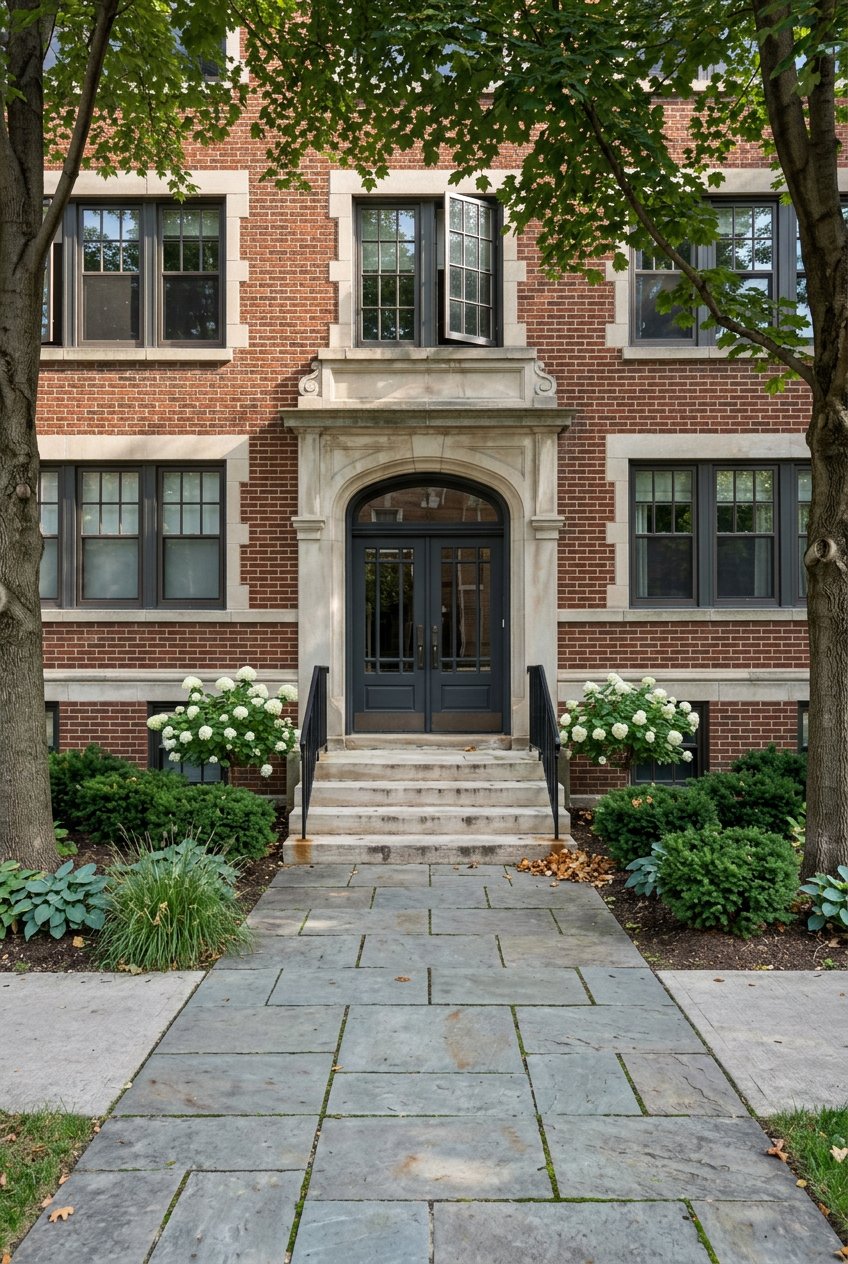
- Classic early 20th‑century apartment buildings along Hennepin and Franklin.
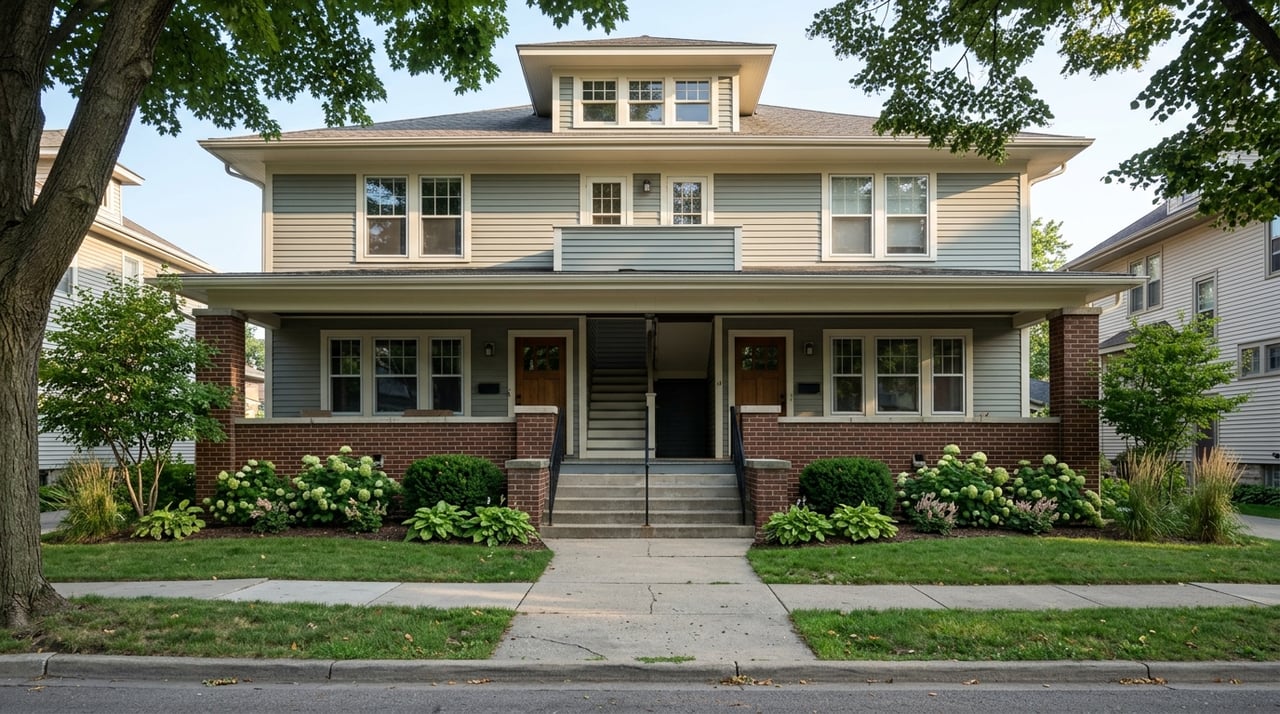
- Converted‑mansion condos and smaller multifamily options that blend character with lower maintenance.
This mix works well for different needs. Professionals often choose smaller condos and 1–2 bedroom flats close to cafés and transit. Move‑up buyers gravitate to larger lots and period homes with room to grow. Many houses have been subdivided over time, so it helps to compare layout, parking, and systems updates across properties before you decide.
Market snapshot: what to expect in 2026
As of January 2026, the median sale price in Lowry Hill was about 525,000 dollars, per Redfin. In this small‑inventory neighborhood, month‑to‑month swings can be large. Recent activity shows the spread you can expect: smaller condos and 2‑bedroom flats in the low to mid 200,000s and intact single‑family homes, especially near the lakes, above 1 million. If you are watching the market closely, re‑check current MLS data at the time you plan to write an offer.
A quick tip: inventory here can be thin and varied. Getting alerts, pre‑underwriting, and a clear strategy for older‑home inspections will help you move quickly when the right fit appears.
Who Lowry Hill fits
- Professionals and creatives. You get short rides to downtown, strong walkability near Hennepin and Loring Park, and a steady flow of cultural events at the Walker campus. The mix of condos and classic apartment buildings adds flexibility.
- Move‑up buyers who love architecture. Larger homes, mature trees, and nearby parks make space for daily life. Many families review public school assignments and nearby private options before deciding. For a neutral overview of local schools and options, start with the neighborhood association’s schools page. Always verify boundaries and admissions details for your specific address.
- Urban‑plus‑green households. If you want lakeside trails, canoeable water, and winter skating along with a central location, the Chain of Lakes access near Lowry Hill is a standout.
Practical tips before you buy or sell
- Historic preservation. Exterior changes to designated landmarks and properties in local historic districts may require formal review. The City’s Heritage Preservation Commission manages certificates of appropriateness and related approvals. Learn about the process on the Heritage Preservation Commission page.
- Parking and garages. Many older homes predate common car ownership. Garage and off‑street parking vary block to block, so confirm before you fall in love.
- Lakes and shoreline details. Lake of the Isles has seen shoreline stabilization and water‑quality work. If you plan to canoe, skate, or fish, always check current conditions, permits, and hours on the Lake of the Isles Park page.
- Institution adjacency. Dunwoody College sits within the neighborhood footprint and contributes daytime activity and occasional events. You can see its exact location on the Dunwoody campus map.
How to shop smart in Lowry Hill
- Get prepped on older‑home systems. Look closely at rooflines, masonry, windows, and mechanicals. Many period homes have been sensitively updated, but replacement timelines matter for budgets.
- Compare layouts. Older homes can have formal rooms that live differently than open plans. Think about how you entertain, work from home, and use outdoor space.
- Balance commute with quiet. Blocks closer to Hennepin handle more activity. Hilltop streets feel more residential. Decide the right mix for you.
- Plan for seasonality. Winter and early spring can bring fewer listings. Summer and early fall often see more movement.
Work with a neighborhood‑rooted, old‑home‑savvy guide
If Lowry Hill is on your shortlist, you deserve representation that understands both its architecture and its market rhythm. As a Minneapolis native with a Rethos Old Home certification and deep experience across character homes, condos, and multi‑family, Erin brings design‑informed advice, patient guidance, and strong marketing systems to every deal. Whether you are restoring a period home or choosing the right condo near the Walker, you get clear options, thoughtful pricing, and steady advocacy from search to close.
Ready to talk Lowry Hill? Reach out to Erin Sjoquist to start a targeted search or request a pricing consult for your home.
FAQs
What is Lowry Hill’s location within Minneapolis?
- Lowry Hill sits just west of downtown with reference boundaries of I‑394 to the north, I‑94/Hennepin Avenue to the east, W 22nd Street to the south, and Lake of the Isles Parkway to the west, per the neighborhood association overview.
What parks and cultural spots are near Lowry Hill?
- You have the Minneapolis Sculpture Garden next to the Walker Art Center, Parade Park with athletic fields and the Ice Garden, and direct access to Lake of the Isles and the Chain of Lakes trail network.
What types of homes can I find in Lowry Hill?
- Options range from large historic single‑family homes on tree‑lined hilltop streets to classic apartments along Hennepin and Franklin, plus converted‑mansion condos and smaller multifamily buildings.
How walkable and bikeable is Lowry Hill?
- The neighborhood rates “Very Walkable” and “Very Bikeable,” with transit access that varies by block. Always confirm commute details for the exact address you are considering.
What should I know about historic preservation rules in Lowry Hill?
- Exterior work on designated landmarks or properties in local historic districts may require review by the City’s Heritage Preservation Commission, which issues certificates of appropriateness and related approvals.
What is the 2026 price context for Lowry Hill homes?
- As of January 2026, the median sale price was about 525,000 dollars, per Redfin, with smaller condos often in the low to mid 200,000s and larger single‑family homes above 1 million, though inventory and prices vary month to month.