Whittier Eat Street Living: A Local Guide to Whittier
February 19, 2026
February 19, 2026
Craving a neighborhood where dinner plans can be a five‑minute walk and world‑class art is around the corner? If so, Whittier’s Eat Street might be a great fit for your lifestyle. You want real‑world details on daily life, transit, housing style, and what to consider before you buy or rent. This local guide gives you a clear picture of Whittier, plus practical tips to help you decide if living on Eat Street is right for you. Let’s dive in.
Whittier sits just south of downtown Minneapolis, commonly described as bounded by Franklin Avenue to the north, Interstate 35W to the east, Lake Street to the south, and Lyndale Avenue to the west. You can confirm those general boundaries on the neighborhood’s Wikipedia overview. The area is dense and walkable, with a mix of older single‑family homes, converted houses, and many small and mid‑size apartment buildings. That variety makes it easier to find something that matches your budget and your preferred vibe.
Eat Street is the stretch of Nicollet Avenue running through Whittier that became a food destination in the 1990s. Community partners intentionally branded and supported the corridor to highlight its independent, international eateries and small businesses. Today, you’ll find dozens of local spots offering everything from pho and bánh mì to farm‑to‑table brunch and creative desserts. For a quick flavor of what locals love, browse the Eat Street guide.
The “Eat Street” name did not happen by accident. Neighborhood leaders and business owners worked together to market Nicollet as a dining destination, a story captured in a brief local history of the corridor’s growth. If you want background and photos that show how it came together, read this look at the history of Eat Street. That intentional effort still shapes the feel of the neighborhood today.
On weekdays, you’ll see steady foot traffic around cafes, takeout spots, and small markets. Evenings and weekends bring more activity, with popular blocks filling up for dinner and dessert. Expect curbside parking to feel tight closest to the busiest clusters. Newer ventures, including a modern food hall concept, add energy alongside longtime favorites like casual pho shops and classic bakeries.
Eating local without a car is simple for many residents. Nicollet is a frequent bus corridor that links downtown and south Minneapolis neighborhoods, and walking or biking along the avenue is straightforward. Whittier earns high marks for daily errands on foot, with a neighborhood Walk Score around the low 90s according to Walk Score’s Whittier page.
Whittier sits next to a remarkable arts cluster. The Minneapolis Institute of Art (MIA) offers free general admission and rotating exhibitions, giving you museum‑level experiences a short walk from Eat Street. Learn more on the city’s landmark page for the Minneapolis Institute of Art. The Minneapolis College of Art and Design and the Children’s Theatre Company add student life, classes, and family‑friendly performances. Smaller venues and galleries nearby round out a creative scene that goes well beyond restaurants.
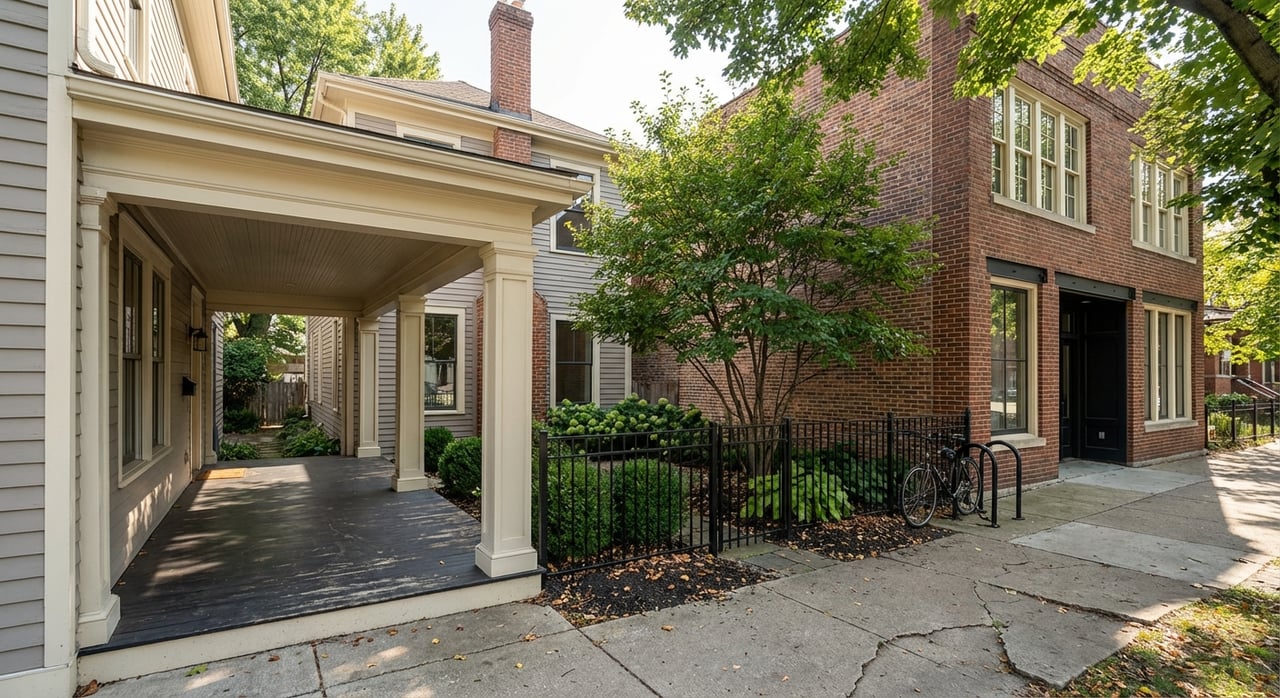
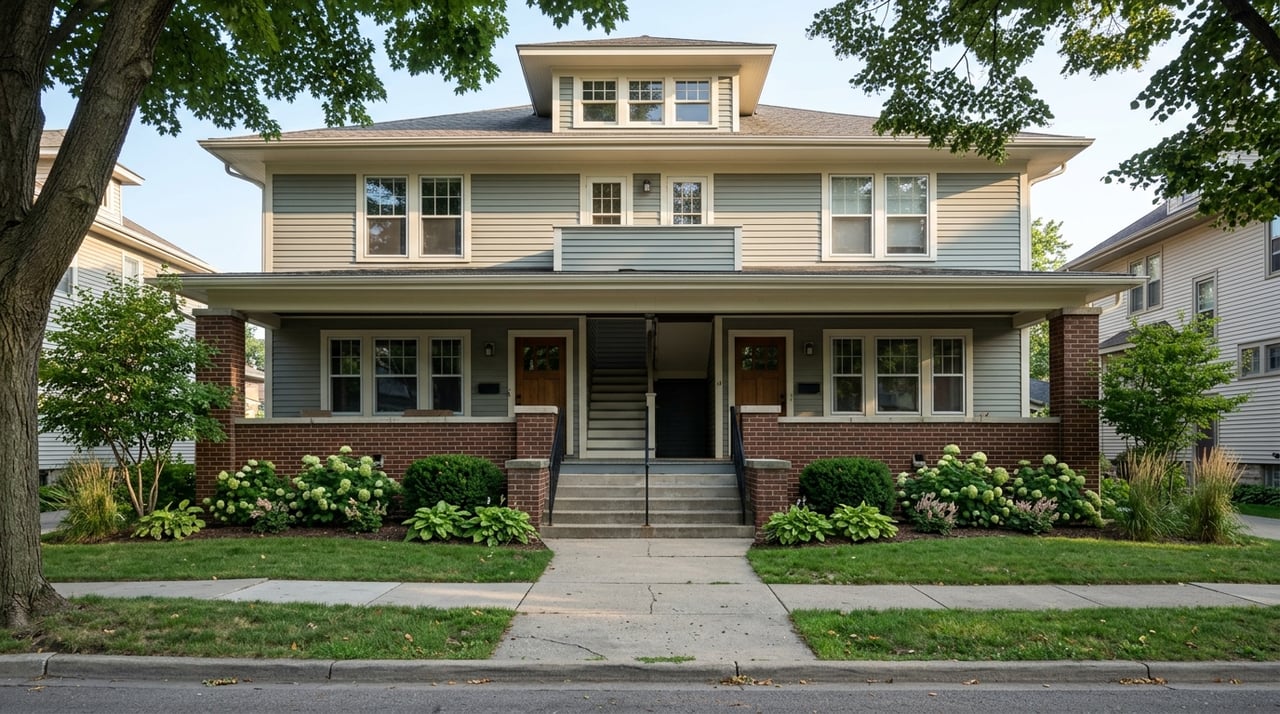
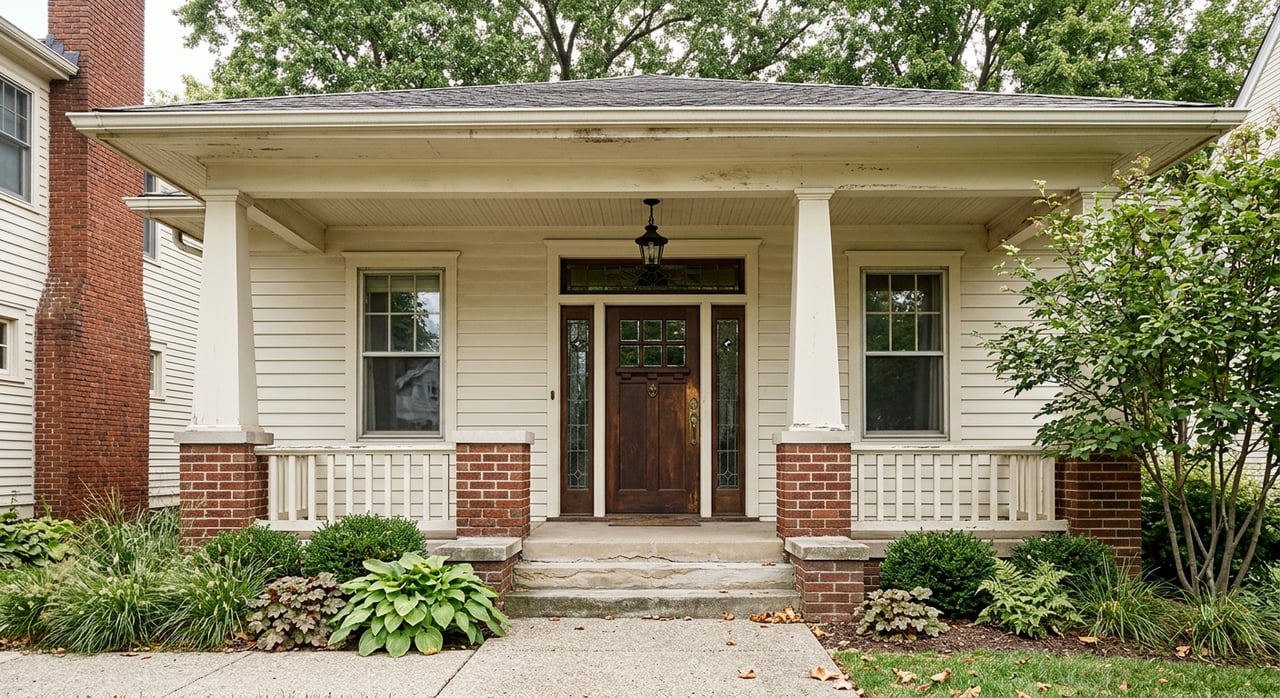
One of Whittier’s charms is its architectural mix. You’ll find classic early‑20th‑century homes, mature trees, and original details like woodwork, tall windows, and generous front porches. Many larger homes have been converted into multi‑unit residences over time, so you can shop single‑family, duplex and triplex options, or individual condos carved from grand houses.
If you love historic architecture, get to know the Washburn‑Fair Oaks Mansion District at the neighborhood’s edge. This area includes grand early‑1900s homes, some preserved, some adapted for new uses. If a property sits within the local historic district, exterior changes can require review. The city outlines those guidelines on its Washburn‑Fair Oaks historic district page.
Prices vary widely by property type and condition. A condo in a converted building will price differently than a single‑family character home, and landmark‑caliber houses can sell well above broader neighborhood medians. It pays to look block by block and to factor in potential updates common in older properties, like electrical, plumbing, or insulation improvements.
Use this quick list to focus your first tour:
Whittier appeals to people who want walkability, culture, and a strong food scene without a long commute. The housing mix supports a range of budgets and living setups, from renters to small‑scale owners and investors. Data sources like MN Compass show a high share of multi‑unit housing and renters, which contributes to a lively, always‑changing street feel along key corridors.
If you plan to run daily errands on foot or by bike, Whittier is built for that. The neighborhood’s high walk and bike scores make coffee runs, groceries, and dining easy without a car, especially along Nicollet and Lyndale. Transit options are solid on Nicollet and the cross‑streets that connect to downtown and south Minneapolis.
For outdoor time, you have pocket parks and notable green spaces close by. Washburn‑Fair Oaks Park offers a leafy loop across from the MIA, while Stevens Square Park and nearby pocket parks provide places to gather, read, or relax. Investments in neighborhood parks are guided by the Park Board’s 20‑Year Neighborhood Park Plan, so you can track improvements over time.
On the most popular Eat Street blocks, curbside parking is often limited during peak dining hours. Many residents rely on street parking, alley pads, or small lots, and car ownership rates tend to be lower than in suburban areas. If on‑street parking matters to you, check block‑level rules and try different times of day to see what access really feels like.
Like many central Minneapolis neighborhoods, Whittier has navigated challenging moments and strong community responses. In early 2026, a fatal shooting involving federal immigration agents occurred near Nicollet and 26th Street, prompting vigils, protests, and wide coverage. You can read a factual summary in Sahan Journal’s report. Local groups, including the Whittier Alliance, often share updates, resources, and ways to connect with neighbors and businesses. If current context is important to your decision, check recent news and neighborhood channels as you plan your move.
Choose Whittier if you want your neighborhood to be part of your daily life. You can grab a bánh mì for lunch, meet friends for a late dessert, and spend a Saturday morning at the museum without starting a car. Character homes, vibrant small businesses, and cultural institutions create a grounded sense of place. If you are excited by variety and you value a true city experience, Eat Street delivers.
Buying or selling in a historic, highly walkable neighborhood takes careful guidance. With a Rethos Old Home Certification, deep Minneapolis roots, and hands‑on investor experience, I help you understand construction details, block‑level dynamics, and value drivers that matter in Whittier. Whether you are eyeing a condo in a converted mansion, a classic single‑family on a tree‑lined street, or a multi‑unit for your portfolio, you will get clear advice and professional marketing from the first tour to a successful close.
Ready to explore homes near Eat Street or discuss your sale? Reach out to Erin Sjoquist to get started.
July 16, 2026
July 2, 2026
June 18, 2026
June 4, 2026
May 21, 2026
May 7, 2026

April 16, 2026
April 2, 2026
March 24, 2026
Real estate isn’t just about properties — it’s about people, goals, and dreams. I approach every transaction with heart, strategy, and a commitment to achieving the best possible outcome for my clients. Whether you’re navigating a life change or seizing an investment opportunity, I’m here to make it simple, seamless, and successful.
GET IN TOUCH WITH ERIN

ERIN SJÖQUIST
1350 Lagoon Ave Ste 900 Minneapolis MN 55408