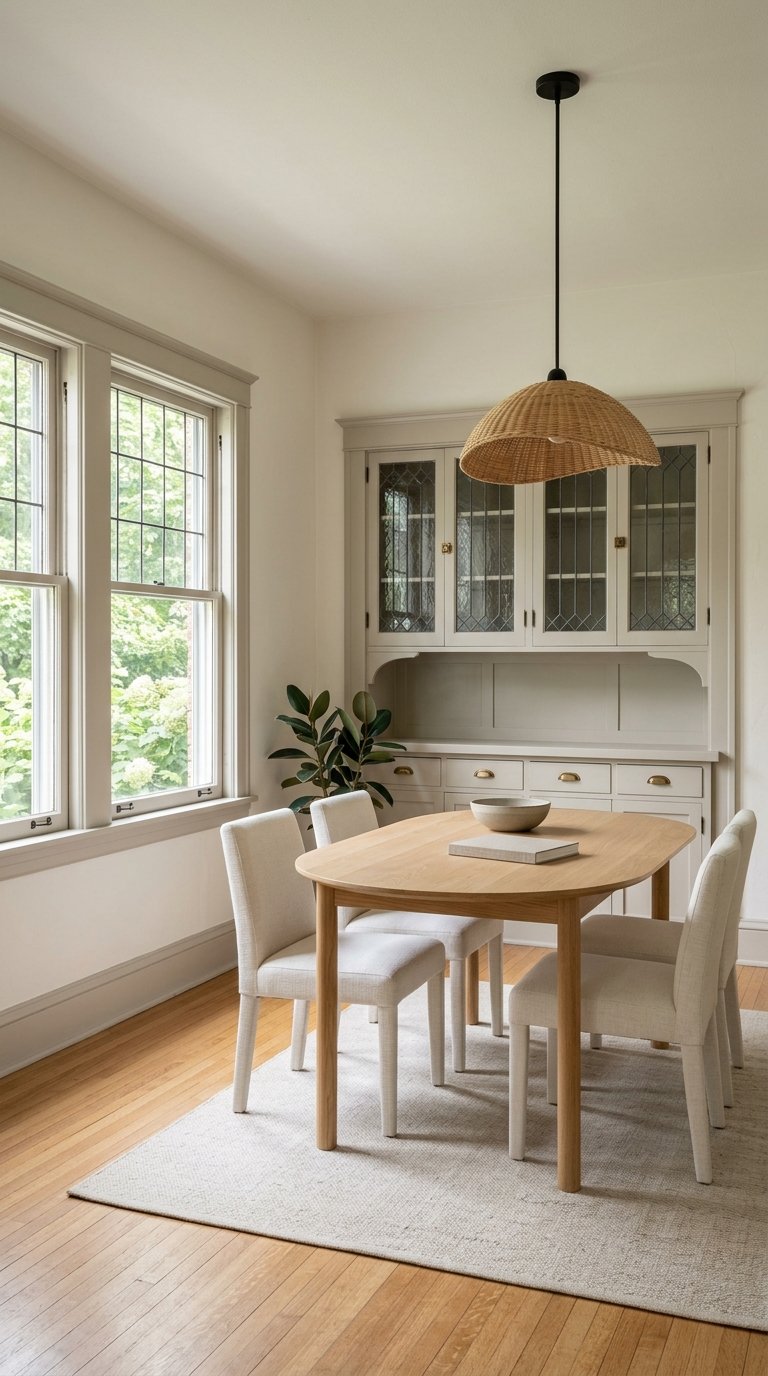
Selling a Historic Home in Lowry Hill: How to Prepare
June 4, 2026
June 4, 2026
Selling a historic home in Lowry Hill is not the same as selling just any house. Buyers here often notice the original porch, the trim details, the windows, and the feeling of a well-kept home long before they start counting bedrooms. If you want to make a strong impression and avoid preventable surprises, the right prep can help you protect your home’s character while making it easier for buyers to say yes. Let’s dive in.
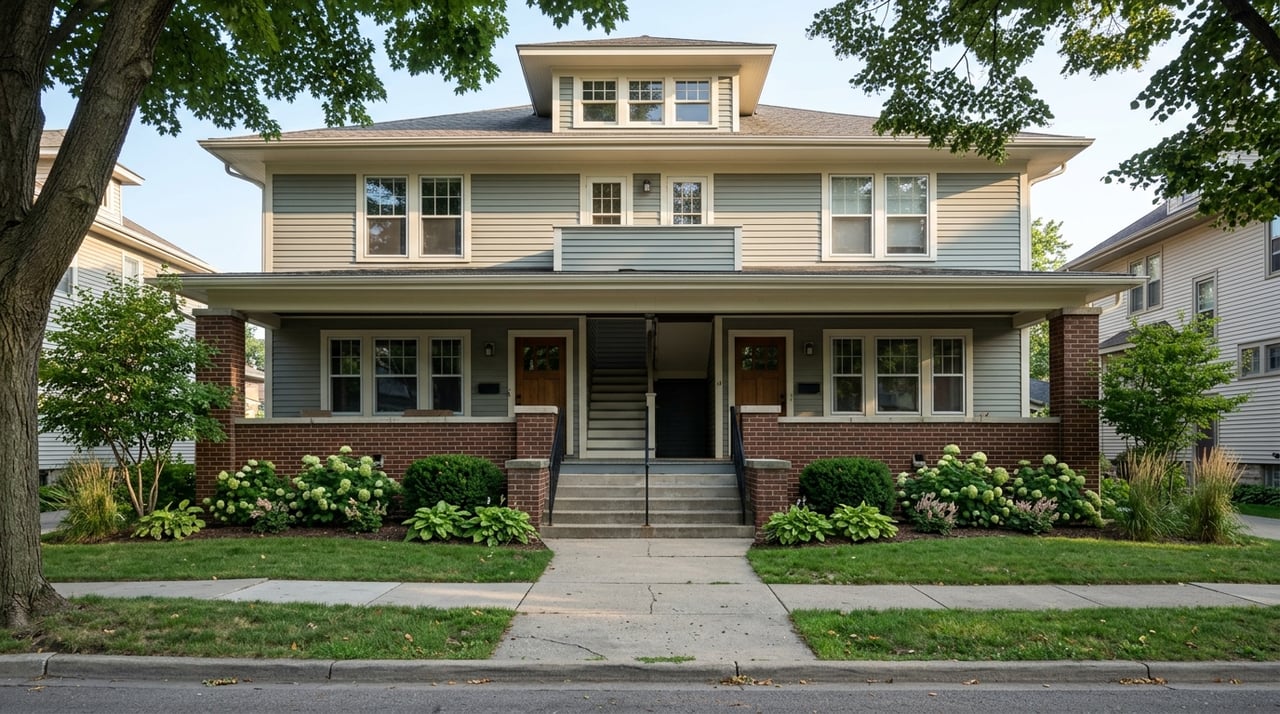
Lowry Hill’s appeal is closely tied to its historic streetscape. The neighborhood association describes broad lawns, boulevard shade trees, well-spaced houses, generous porches, and exterior detail as part of what defines the area. In practical terms, that means buyers are often drawn to authenticity and visible care, not just size or trendy finishes.
If your home has original features, they are likely part of the value story. In a neighborhood like Lowry Hill, stewardship matters. A house that feels thoughtfully maintained can stand out more than one that has been heavily altered without regard for its historic style.
The City of Minneapolis advises owners of historic properties to retain historic character and repair distinctive materials rather than replace them whenever possible. That guidance is especially useful when you are deciding what to do before listing. Not every aging feature needs to be stripped out or swapped for something new.
Instead, aim for updates that make the home cleaner, safer, and better maintained while keeping its original personality intact. If your home still has original windows, trim, siding, or porch elements, preservation-minded repairs may support a stronger presentation than unnecessary replacement.
When a feature is deteriorated, the city recommends repair first. If replacement is necessary, new work should match the old in design, color, texture, and, when possible, materials. That approach helps the home feel cohesive and respectful of its era.
This matters to buyers because historic-home shoppers often notice mismatched details. A carefully repaired wood window or restored porch rail can tell a better story than a quick fix that looks out of place.
If your property is locally designated, the City of Minneapolis reviews physical changes. Exterior alterations must be approved, and in some cases interior alterations also require approval. Before starting larger projects, it is wise to confirm what is allowed and what documentation you should keep.
Before you tackle larger repairs, take care of the simple items that affect how buyers experience the home. The Minnesota Attorney General recommends low-cost improvements such as decluttering, deep cleaning, refreshing paint where needed, improving curb appeal, and fixing small defects.
These basics matter because they make the home feel cared for. They also help your architectural details stand out instead of competing with distraction or deferred maintenance.
Consider addressing items like these before your home goes live:
According to NAR’s 2025 staging survey, decluttering, cleaning, and curb appeal were among the most common seller recommendations. For a historic property, these steps can be especially effective because they let the craftsmanship do more of the work.
Historic homes often need more thoughtful repair decisions than newer properties. If you move beyond cosmetic touch-ups, the Minnesota Attorney General advises sellers to verify contractor licensing, permits, insurance, and written contracts.
That paperwork is useful for more than peace of mind. When buyers see invoices and permit records, they can better understand the care that went into the home. In a character property, that kind of documentation supports trust.
Try to gather and organize:
A clean record can help answer buyer questions quickly and show that updates were handled professionally.
Older homes tend to raise more inspection questions, even when they have been lovingly maintained. Home inspection reports often flag structural or foundation concerns, aluminum wiring, dated electrical panels, plumbing issues, floor joists, HVAC problems, safety items, and drainage trouble spots.
That does not mean your sale is headed for problems. It means preparation matters. A pre-listing review can help you identify issues early, decide what to fix, and avoid learning about a major concern only after a buyer is emotionally invested.
Minnesota’s Attorney General warns sellers to pay special attention to moisture problems. Leaks and water stains can trigger buyer concern and create disclosure issues. Even a small stain can prompt bigger questions about the roof, plumbing, or drainage.
Before listing, it is smart to check basements, ceilings, windows, and exterior drainage areas. If there has been a past issue, gather records that show how it was addressed.
Minnesota sellers must provide written disclosures before a purchase agreement is signed. For many historic Lowry Hill homes, this is an area where early preparation really helps. Older homes often come with longer ownership histories, past repairs, and age-related conditions that are easier to explain when you are organized.
Start pulling together records before your home hits the market. That gives you time to review known issues, repair paperwork, and required materials without rushing.
If your home was built before 1978, the Minnesota Attorney General says you must provide known lead-based paint information and a copy of the Minnesota Department of Health radon publication. This is especially relevant for older properties in Lowry Hill.
The Minnesota Department of Health says radon testing is highly recommended during real estate transactions, ideally before the home goes on the market so there is time to address any issues. For lead, older homes are more likely to contain lead-based paint, and the EPA estimates that 87% of homes built before 1940 have some lead-based paint.
Historic homes sell best when buyers can appreciate both the period character and the day-to-day livability. NAR’s 2025 staging report found that 83% of buyers’ agents said staging makes it easier for buyers to visualize a home as their future home.
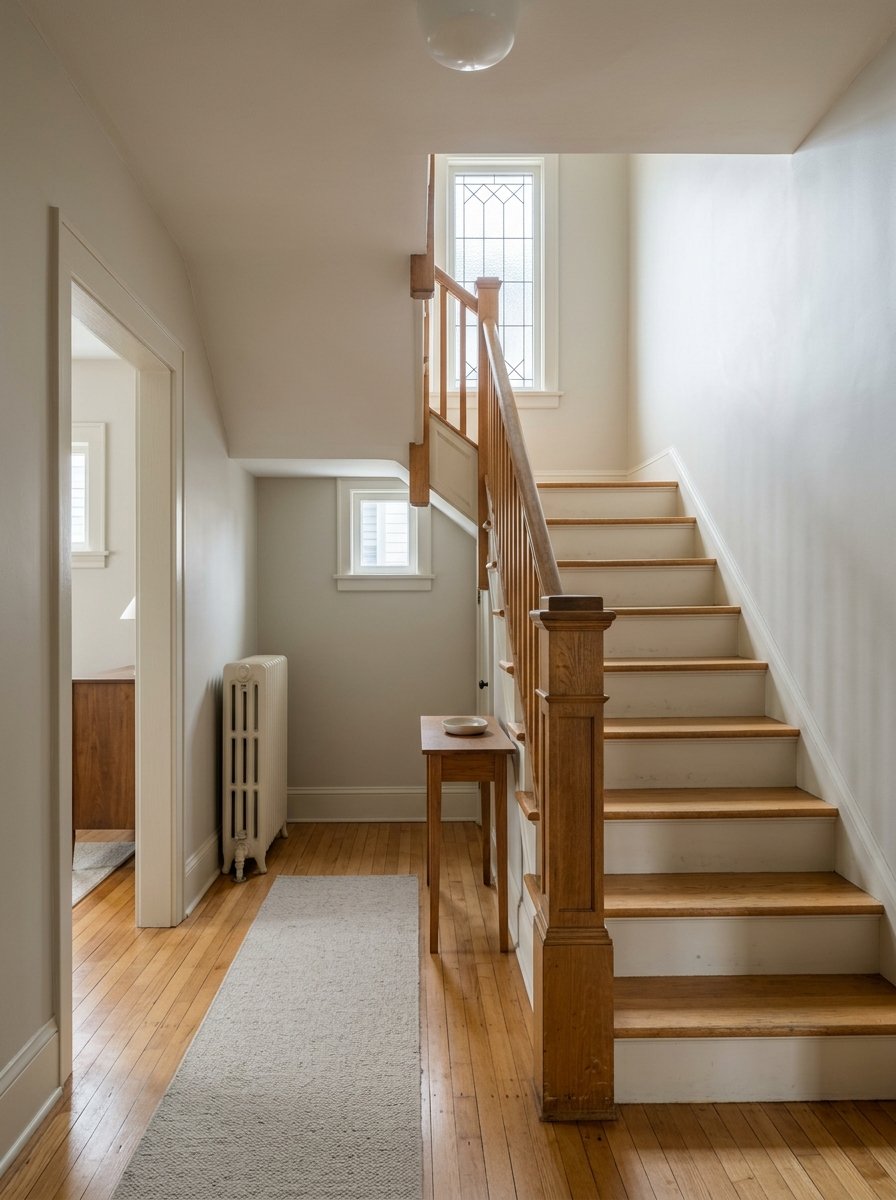
That is especially important in a home with strong architectural detail. Buyers should notice the millwork, windows, fireplace, or staircase, but they should also be able to imagine where their sofa goes and how the kitchen functions.
NAR found that the living room, primary bedroom, and kitchen were the most important rooms to stage. If you are choosing where to focus time and budget, start there.
In a historic Lowry Hill home, that may mean:
A strong Lowry Hill listing should do more than describe square footage and updates. It should place the home within the neighborhood’s preserved streetscape and connect its character to the daily experience of living there.
The City places Lowry Hill in Ward 7 and describes the area as historic and in demand. The ward also includes access to parks such as Thomas Lowry Park, Lake of the Isles Park, and Loring Park. When your marketing combines architectural character, documented maintenance, and location context, buyers get a fuller picture of the home’s value.
NAR reports that photos, traditional staging, videos, and virtual tours are especially important to buyers’ agents. For a historic property, strong visuals should show the craftsmanship clearly while keeping the home uncluttered and approachable.
This is where thoughtful, design-aware marketing can make a real difference. Professional photography and careful presentation help buyers see both the beauty of the original home and the practicality of living in it today.
If you want a simple way to think about pre-sale prep, focus on three goals: preserve character, reduce buyer uncertainty, and present the home clearly. That usually leads to better conversations once your home is on the market.
A practical checklist looks like this:
Selling a historic Lowry Hill home is about more than checking boxes. It is about presenting the house as a well-cared-for property with a story, a setting, and details worth preserving. When you prepare with that in mind, you give buyers more confidence and give your home the best chance to stand out.
If you are getting ready to sell a character home in Minneapolis, Erin Sjoquist brings local knowledge, preservation-minded guidance, and thoughtful marketing to help you prepare with confidence.
July 16, 2026
July 2, 2026
June 18, 2026
June 4, 2026
May 21, 2026
May 7, 2026

April 16, 2026
April 2, 2026
March 24, 2026
Real estate isn’t just about properties — it’s about people, goals, and dreams. I approach every transaction with heart, strategy, and a commitment to achieving the best possible outcome for my clients. Whether you’re navigating a life change or seizing an investment opportunity, I’m here to make it simple, seamless, and successful.
GET IN TOUCH WITH ERIN

ERIN SJÖQUIST
1350 Lagoon Ave Ste 900 Minneapolis MN 55408