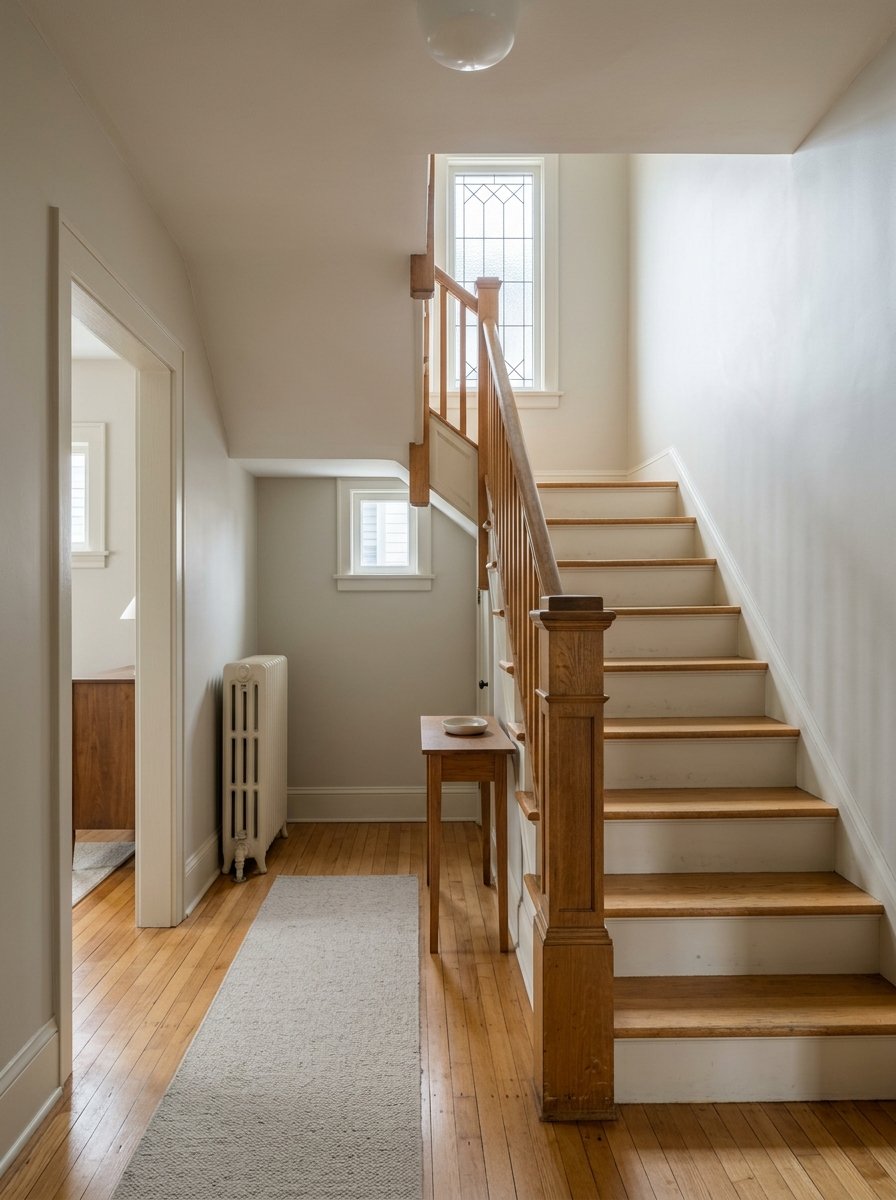
How to Buy an Old Home in East Bde Maka Ska Wisely
April 2, 2026
April 2, 2026
Thinking about buying an older home near the east shore of Bde Maka Ska? It is easy to fall for the character, lake access, and established streetscape in East Bde Maka Ska, but older homes also come with systems, materials, and maintenance questions that deserve a close look. If you want the charm without surprises, it helps to know what is common in this neighborhood, what inspections may reveal, and which costs to plan for before you close. Let’s dive in.
East Bde Maka Ska, formerly known as ECCO, sits between Lake Street, 36th Avenue, Hennepin Avenue, and Bde Maka Ska Parkway. According to the East Bde Maka Ska Neighborhood Association, the neighborhood has roughly 2,400 residents and includes a mix of renters and homeowners, which helps explain the variety of housing types you see here.
The neighborhood’s long appeal is tied closely to the lake and park system. Bde Maka Ska Park offers beaches, boat access, walking paths, biking paths, and miles of trails around the lake. That kind of amenity base has supported demand for the area over time, which is one reason older housing stock remains such a defining part of the neighborhood.
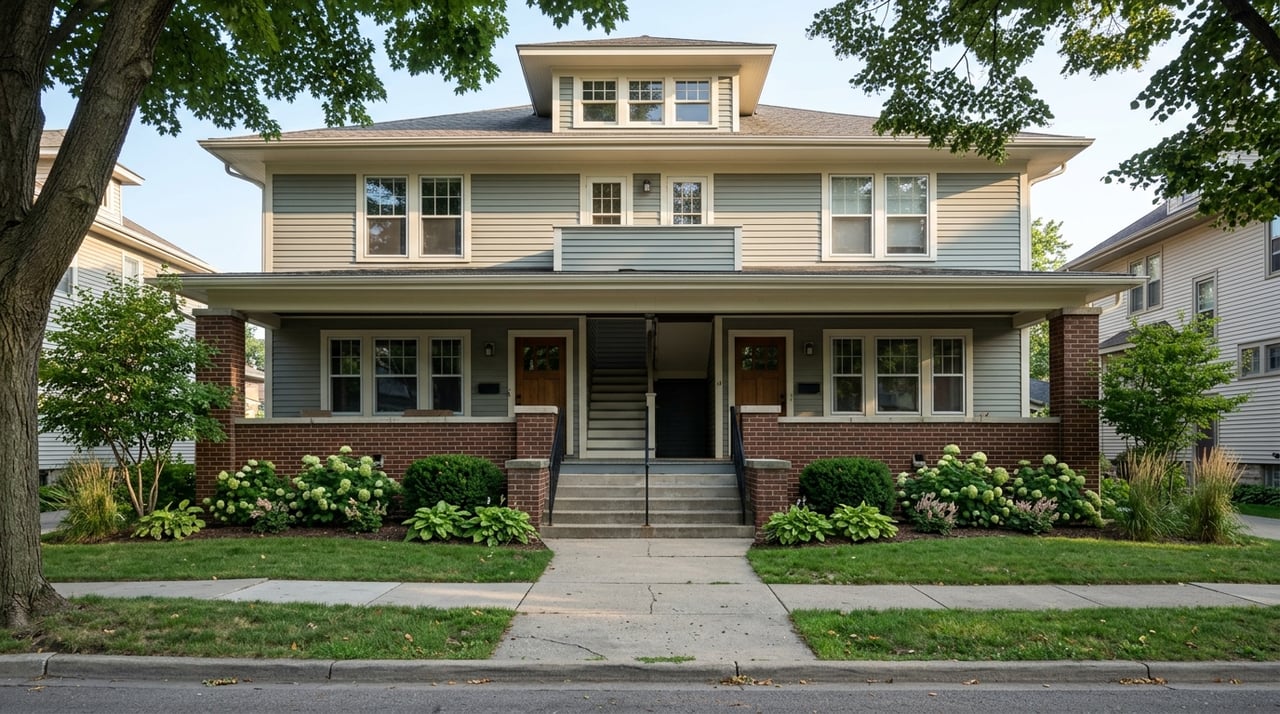
East Bde Maka Ska is not a one-style neighborhood. Instead, it is better understood as a mix of early-20th-century single-family homes, duplexes, and apartment buildings shaped by decades of development near the lake.
A helpful local example is the city’s landmark page for the Moorish Mansion Apartments, a 1929 building in the neighborhood. That page notes that many apartment buildings in this part of Minneapolis were built during the 1920s and highlights period-revival influences such as Colonial Revival, Tudor Revival, Italian Renaissance, and Spanish Colonial Revival.
You may also notice older materials and details that give the area its visual character. The city’s landmark description references rough-faced reddish tan brick, red tile roofs, copper details, iron balconettes, and ornamental masonry. Not every property will match that exact look, but it gives you a useful sense of the architectural texture you may encounter when shopping in East Bde Maka Ska.
Character can be a real asset, but older homes ask more of you as a buyer. In East Bde Maka Ska, the lifestyle draw often comes from the combination of lake access, trail connections, and established housing stock. At the same time, the ownership side of the equation usually includes closer review of systems, insulation, environmental concerns, and long-term maintenance.
That does not mean you should avoid older homes. It simply means you should evaluate them with a clear plan and a practical budget.
For older Minneapolis homes, the city’s Truth in Sale of Housing common repairs guide is a strong starting point for understanding what often gets flagged. Evaluators look at items such as attic insulation, chimneys, drainage, foundation, roof structure and covering, electrical outlets and service panels, heating systems, water heaters, plumbing, windows, stairs, and signs of dampness or vermin.
That checklist can help you spot likely trouble areas, but it is not the same as full buyer due diligence. The same city guide notes that asbestos, lead-based paint, formaldehyde, and radon are not covered by the TISH evaluation itself. In other words, a TISH report is helpful, but it should not be the only information you rely on.
In older homes, some conditions may be functional but still worth budgeting for. The Minneapolis TISH guide notes that older electrical service levels, such as 30- or 60-amp service, and functioning galvanized plumbing are not automatically required repairs. Even so, these conditions can still affect your comfort, future renovation plans, and long-term ownership costs.
As you compare homes, pay special attention to:
If the home was built before 1978, lead-based paint needs to be part of your thinking. The Minnesota Department of Health says many homes built before 1978 contain lead-based paint, and older homes are more likely to have it.
Windows and doors are especially important because friction can create lead dust. If you are planning updates after closing, MDH notes that renovation work in older housing can generate lead dust, which makes lead-safe work practices and certified contractors especially important.
Radon is another smart check in any older-home purchase. The Minnesota Department of Health radon guide says all Minnesota homes should be tested for radon every 2 to 5 years, and testing is highly recommended in real estate transactions.
MDH also states that mitigation is highly recommended at 4 pCi/L or higher. If a system is needed, the guide says mitigation often costs about $1,500 to $3,000, depending on the home. That is not necessarily a deal breaker, but it is a useful number to have in your planning.
One of the biggest hidden-cost issues in older Minneapolis homes is the private sewer line. The city explains in its private sewer lateral guide that homeowners are responsible for the sewer line from the house to the main, including the portion under the street.
Cracks, collapses, and tree-root intrusion can lead to basement backups. The city also reports an average replacement cost of $13,000, with a recent range from $2,150 to $62,000. For many buyers, that makes a sewer scope one of the most practical inspections to consider before closing.
The purchase price is only part of the story with an older home. In East Bde Maka Ska, it is wise to think beyond cosmetic updates and focus on the systems and improvements that support comfort, efficiency, and long-term durability.
A few of the most common budget categories include:
Older Minneapolis homes often benefit from better insulation and air sealing. The City of Minneapolis defines weatherization as reducing air leakage, adding insulation, controlling moisture, and improving ventilation, and it offers free energy assessments and funding resources.
This matters because an older home can be full of character and still be drafty, unevenly heated, or expensive to operate. The city’s weatherization resources also point homeowners toward common upgrade areas such as attic insulation, wall insulation, knob-and-tube wiring, and ice dam prevention.
The Center for Energy and Environment adds that attic insulation and air sealing can help reduce damaging ice dams and support the life of the home. For buyers in East Bde Maka Ska, that is especially relevant if the house has an older roofline, attic, or incomplete insulation updates.
Living near Bde Maka Ska brings clear lifestyle benefits. You are close to trails, recreation, open space, and one of Minneapolis’s most established park areas, which can make daily life feel more connected to the outdoors.
Still, lake access does not erase the realities of older-home ownership. The appeal here is often the combination of location and character, while the practical side still includes inspection diligence, maintenance planning, and a willingness to budget for systems over time.
When you tour an older home in East Bde Maka Ska, try to separate what is charming from what is costly. Original details, mature surroundings, and a strong location may absolutely be worth pursuing, but they should be weighed alongside the condition of the roof, foundation, wiring, plumbing, insulation, and sewer line.
A clear process can help. Focus on the age of the home, likely materials, inspection findings, and what work may be needed in the first few years of ownership. That kind of informed approach helps you buy with confidence instead of just reacting to a beautiful first impression.
If you are considering an older home in East Bde Maka Ska and want thoughtful guidance on character, condition, and long-term fit, connect with Erin Sjoquist. She brings neighborhood knowledge, preservation-minded perspective, and clear buyer guidance to help you make a smart move.
July 16, 2026
July 2, 2026
June 18, 2026
June 4, 2026
May 21, 2026
May 7, 2026

April 16, 2026
April 2, 2026
March 24, 2026
Real estate isn’t just about properties — it’s about people, goals, and dreams. I approach every transaction with heart, strategy, and a commitment to achieving the best possible outcome for my clients. Whether you’re navigating a life change or seizing an investment opportunity, I’m here to make it simple, seamless, and successful.
GET IN TOUCH WITH ERIN

ERIN SJÖQUIST
1350 Lagoon Ave Ste 900 Minneapolis MN 55408