
Linden Hills Neighborhood Lifestyle: Living by Lake Harriet
February 5, 2026
February 5, 2026
What if your morning run started on a lakeside trail and your coffee stop was a few blocks from home? If you’re weighing neighborhoods in Southwest Minneapolis, Linden Hills often lands near the top for its easy access to Lake Harriet, walkable village feel, and one-of-a-kind character homes. You want a place that feels calm day to day but still connects you to the city. In this guide, you’ll see how life flows here, what housing looks like, and practical things to consider before you buy. Let’s dive in.
Linden Hills rests in Southwest Minneapolis along the western edge of Lake Harriet. The neighborhood is part of the Chain of Lakes area, with direct connections to the trails that loop Lake Harriet and link to Bde Maka Ska. You’re within a short drive of downtown Minneapolis, and commute times vary based on route and traffic.
You can get around by bus, bike, or car. Metro Transit routes serve the area, and the multi-use trail network makes biking and walking common for errands and recreation. Light rail is not immediately adjacent, so many residents mix biking or bus with driving when needed.
Start with a walk or run along the Lake Harriet loop. The trail network is well connected, so you can head toward Bde Maka Ska or continue into the broader Minneapolis system. In warmer months, you might see paddleboats on the water and families heading to the beach.
In winter, residents shift to outdoor skating when rinks are maintained and, when conditions allow, cross-country skiing. You still see people out with dogs and strollers, but with hats, gloves, and a steady rhythm on packed-snow paths.
Linden Hills has a compact main street with independent cafes, casual dining, and neighborhood-oriented retail. Daily conveniences are close: a local food co-op or market for groceries, coffee and pastries, and small services all within easy walking distance. Parking is a mix of on-street and small lots, so many locals choose to walk for quick errands.
Evenings are relaxed. Compared with larger hubs nearby, the tone is more neighborhood than nightlife. You’ll find plenty of patios in summer and cozy interiors in winter, but the pace stays calm.
The Lake Harriet Bandshell is a steady draw in summer with outdoor concerts and occasional movies. Picnics and sunset walks are a regular part of the weekend routine. In fall, it’s all about leaf color around the lake. In winter, you’ll see skaters and sledders where conditions allow, plus smaller seasonal markets and neighborhood events.
For schedules, beach status, and trail updates, residents look to the Minneapolis Park and Recreation Board. Those calendars help you plan a concert night, a skating afternoon, or a morning swim when the season opens.
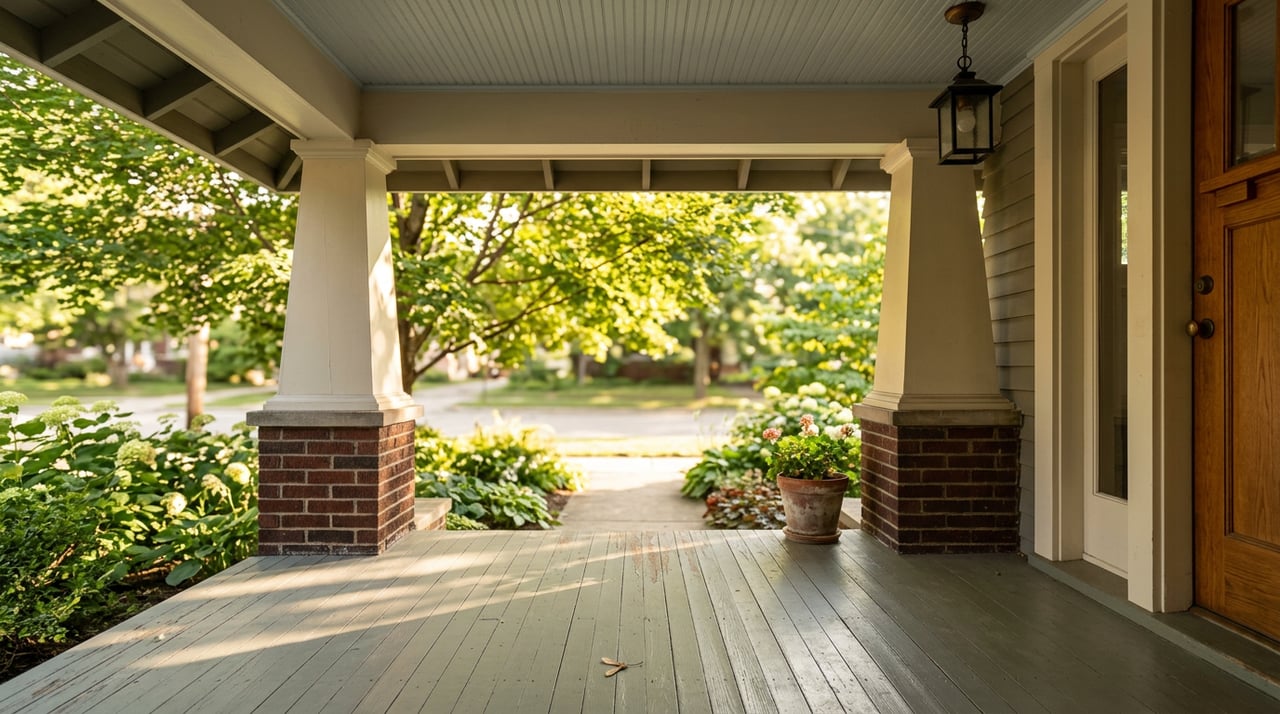
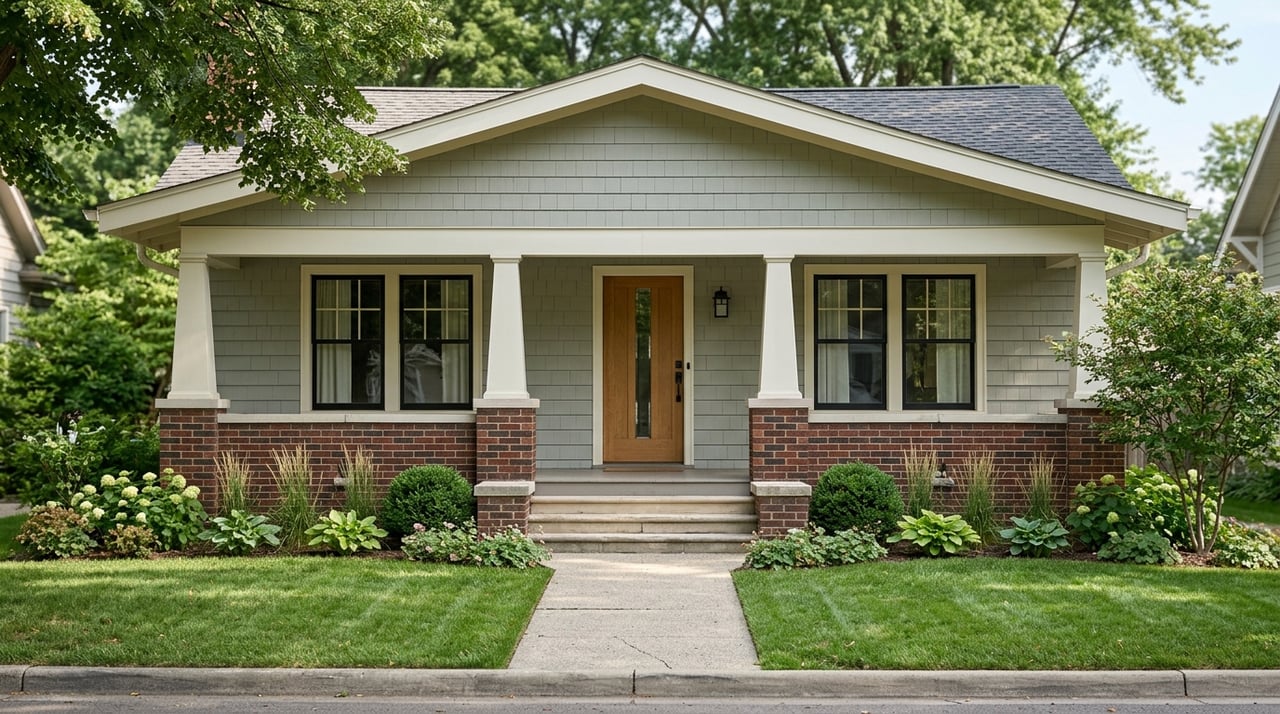
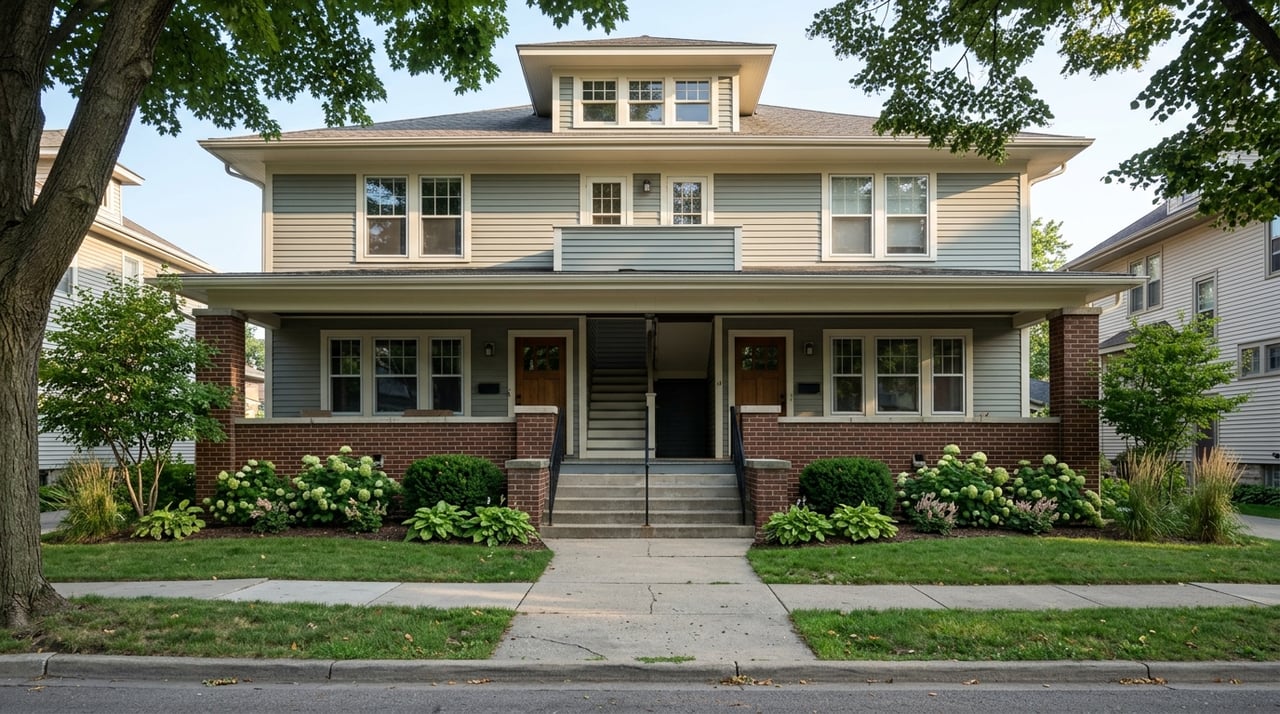
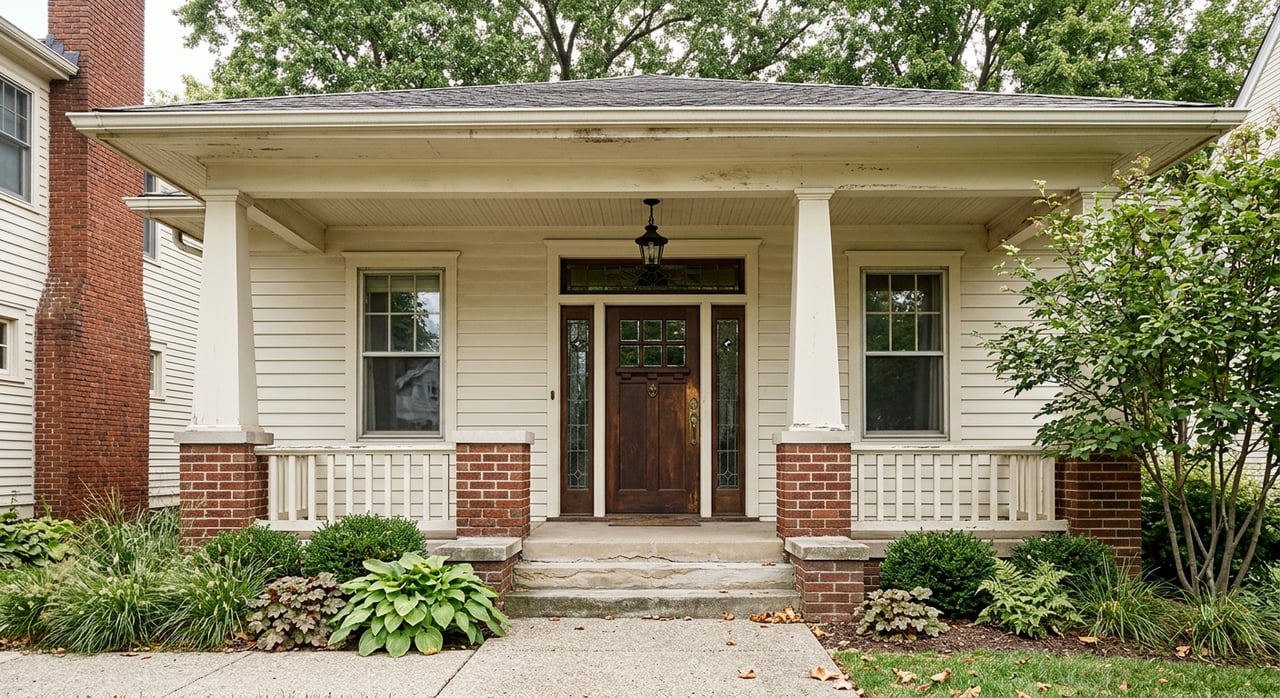
Housing in Linden Hills leans heavily toward early 20th-century homes. You’ll see bungalows, Craftsman, Tudor, and revival styles that feature woodwork, built-ins, and porches. There are also newer infill homes and some multi-unit buildings along commercial corridors.
Most streets are low-rise and residential. Denser development sits closer to the main thoroughfares, where you’ll find a mix of small apartment buildings or townhomes. Near the lake, lots can be smaller or premium-priced based on proximity and views.
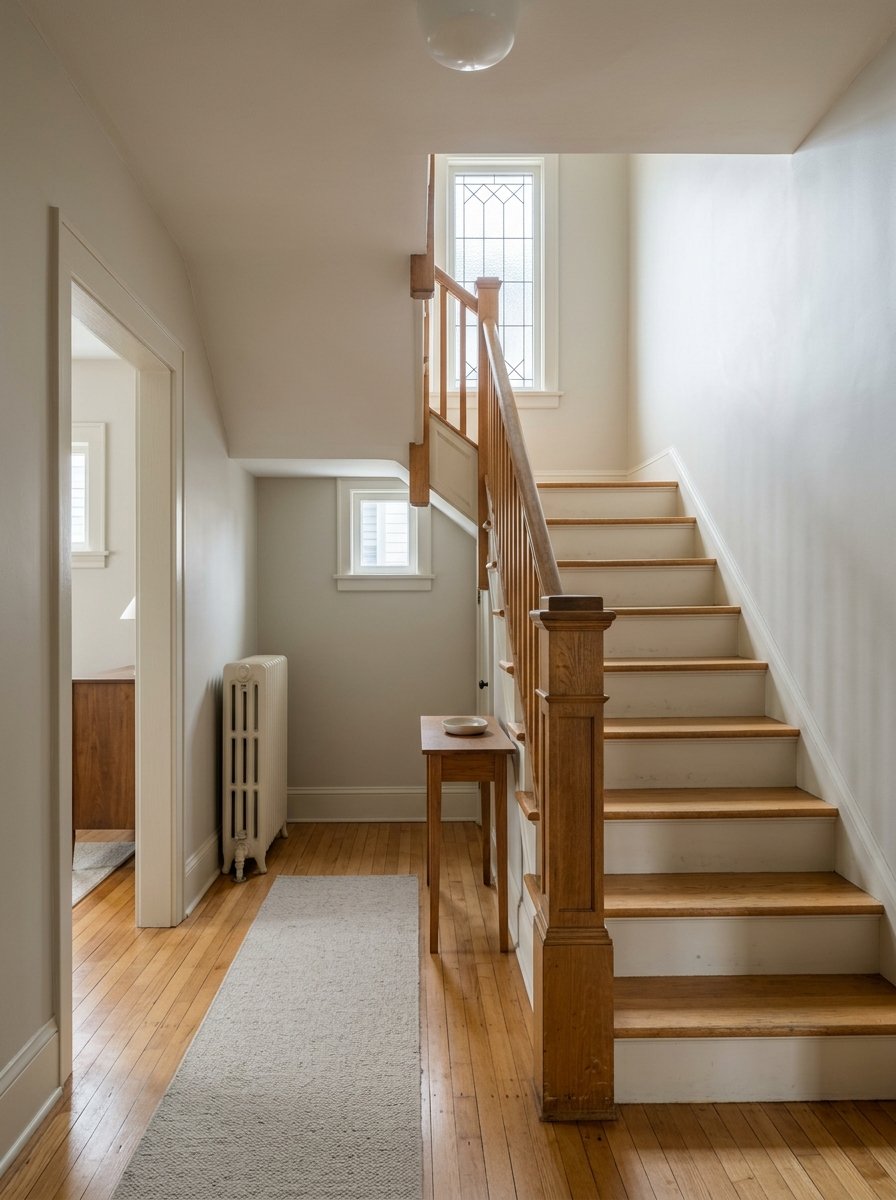
Character homes are a major part of the neighborhood’s charm. They can also come with mechanical updates to plan for. Common items to review include electrical, plumbing, HVAC, windows, roof age, and basement or foundation condition. It’s wise to budget for sympathetic upgrades that preserve original details while improving efficiency and comfort.
Older Minneapolis homes often need attention to drainage and insulation as well. If you love original woodwork and built-ins, you’ll likely appreciate the craftsmanship here. Just make sure your inspection and budget align with the work your home may need.
If lake access is a high priority, verify how you’ll use the lake from your address. Public beaches and access points are available, while private docks are limited. Living near the commercial corridor adds walkability, though you’ll want to consider traffic patterns and guest parking during busier hours.
On quieter streets, the daily pace softens. You’ll still be close to trails and the village, but the feel is more residential. Decide whether you prefer a home close to the action or a few blocks removed.
From Linden Hills, you can reach downtown Minneapolis by car in a relatively short drive, depending on route and rush-hour conditions. Major arterials connect you to the broader metro, and winter road maintenance is part of the city’s normal rhythm.
Transit options include Metro Transit bus routes through the area. Many residents use a bike-to-bus or bike-only commute during warmer months thanks to the connected trail network. Light rail stations are not right in the neighborhood, so plan for a short drive, bus, or bike connection if you use the train.
For errands, walking is a practical choice for many households, especially for coffee, groceries, and dining. When you do drive, expect a mix of street parking and small lots in the village core.
Families often choose Linden Hills for its parks, trails, and neighborhood-oriented services. Public school assignments are determined by Minneapolis Public Schools boundaries, and private or parochial options exist in the broader Southwest area. For the most accurate information, check official boundary maps, enrollment policies, and program details.
Healthcare options include clinics and urgent care in the southwest corridor, with major hospitals a reasonable drive away. Childcare is available through a mix of private centers and programs. Parks and recreation offer youth classes and seasonal activities, which many families use for after-school and weekend schedules.
Grocery shopping can be as simple as walking to a local co-op or specialty market. Larger supermarkets are a short drive if you prefer a bigger shop. The everyday logistics fit a variety of lifestyles, whether you rely on walking, biking, or a quick car trip.
Linden Hills is known for high community engagement. Neighborhood associations and business groups are active and often collaborate on projects like streetscape improvements, park programming, and conversations about how to accommodate growth while preserving character.
The yearly rhythm is strong here. Spring brings trail reopenings and gardening. Summer is the high season for beaches, boat rentals, patios, and concerts. Fall slows the pace with leaf-peeping and 5K season. Winter focuses on skating, sledding, and smaller holiday markets.
Residents generally describe Linden Hills as relatively safe compared with some urban neighborhoods. Daytime foot traffic and an active community presence contribute to a steady, lived-in feel. For detailed and current statistics, locals consult Minneapolis Police Department crime maps.
Comparing Southwest Minneapolis neighborhoods can help you narrow the fit.
Choose Linden Hills if you want walkability, outdoor access, and original architecture wrapped into a calm, neighborhood-scale setting. You’ll trade dense nightlife for a village feel and easy access to the Chain of Lakes. If your weekends are more bike rides and concerts at the bandshell than late-night bar crawls, you’ll feel at home here.
If you prefer newer construction and larger commercial centers right outside your door, explore nearby hubs. If you love historic details, porches, mature trees, and being steps from the water, Linden Hills may be the sweet spot.
If Linden Hills matches your wish list, you’ll benefit from a local advisor who understands both the neighborhood and its homes. Whether you’re drawn to a bungalow with original woodwork or a newer infill close to the village, thoughtful guidance can help you balance character, updates, and long-term value. To explore Linden Hills with a design-informed, old-home-savvy approach, connect with Erin Sjoquist.
July 16, 2026
July 2, 2026
June 18, 2026
June 4, 2026
May 21, 2026
May 7, 2026
April 16, 2026
April 2, 2026
March 24, 2026
Real estate isn’t just about properties — it’s about people, goals, and dreams. I approach every transaction with heart, strategy, and a commitment to achieving the best possible outcome for my clients. Whether you’re navigating a life change or seizing an investment opportunity, I’m here to make it simple, seamless, and successful.
GET IN TOUCH WITH ERIN
ERIN SJÖQUIST
1350 Lagoon Ave Ste 900 Minneapolis MN 55408