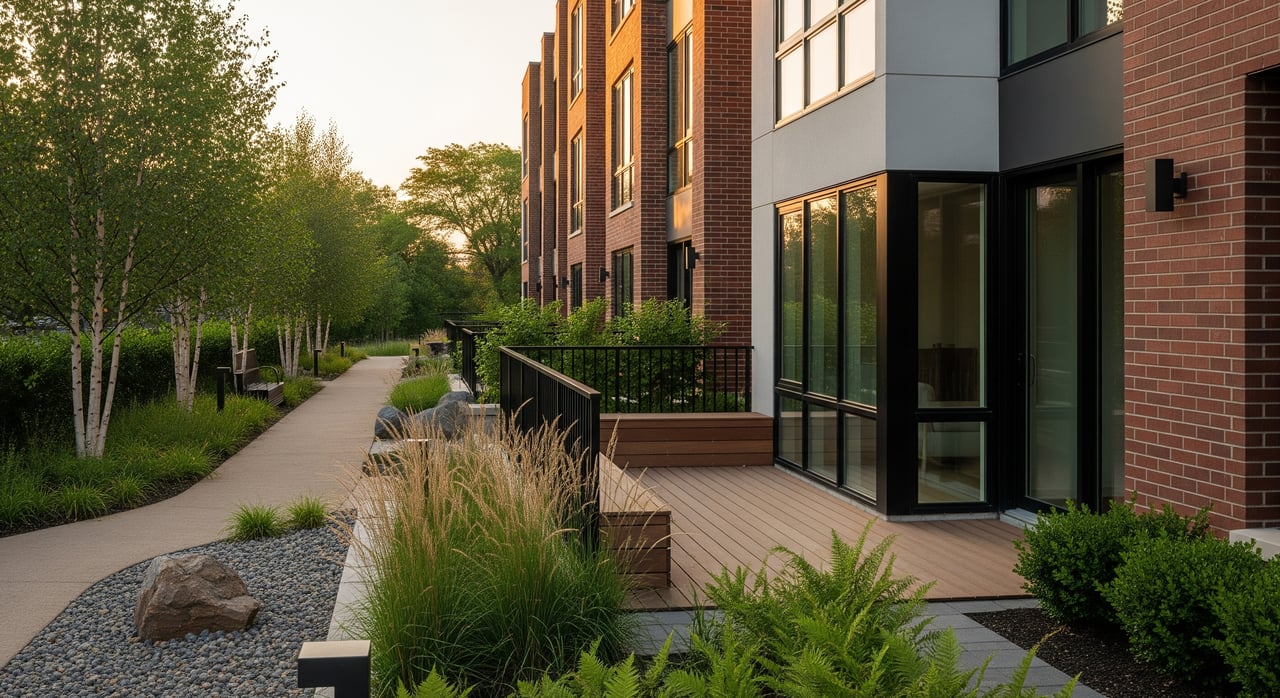
Midtown Greenway Home Buying Guide for Life in Lowry Hill East
January 15, 2026
January 15, 2026
If you love the idea of stepping out your door and hopping on a car-free trail, the Midtown Greenway can make daily life in Lowry Hill East feel easier and more connected. You might be wondering about real-life details like noise, safety, winter riding, and what kinds of homes line the corridor. This guide walks you through the essentials of buying near the Greenway in Lowry Hill East so you can weigh the benefits and tradeoffs with clarity. Let’s dive in.
The Midtown Greenway is a multi-use, mostly car-free corridor that runs east to west across south Minneapolis. It sits in a former rail trench for long stretches, which helps separate bikes and pedestrians from car traffic. The trail connects neighborhoods, parks, businesses, and other paths across the city.
For ongoing improvements, maps, and community programs, the advocacy group at the Midtown Greenway Coalition is a helpful resource. For infrastructure and maintenance details, start with City of Minneapolis Public Works.
Lowry Hill East, often called “The Wedge,” sits just north of the Greenway near the Lake Street and Hennepin Avenue area. Depending on the block, you might be a short walk to a ramp or stair access point, or a bit further north with a quick bike ride to the trail. The neighborhood’s street grid and nearby commercial corridors make the Greenway a practical amenity for both commuting and recreation.
Before you buy, time your walk from the property to the nearest access point. Pay attention to stairs, ramps, and curb cuts if accessibility matters to you. You can also review city bikeway information through the City of Minneapolis bicycle program.
Much of the Greenway runs below street level, which can lessen direct trail noise and improve privacy for adjacent blocks. At-grade crossings and busier nodes near Lake Street or Hennepin Avenue will feel more active, especially on evenings and weekends. Landscaping, fences, and the way a building sits on its lot also make a difference.
A smart approach is to visit potential homes at three times: morning rush, evening, and a sunny weekend midday. Walk the rear yard or balcony and listen for bike traffic, nearby arterials, and any commercial noise. A few minutes on-site provides a clearer picture than listing photos alone.
Elevation changes help. Where the trail is lower than the street or yard, you may feel more screened from passersby. In places with stair access, boardwalks, or elevated segments, sightlines can be more open. Check how the rear of the property faces the corridor and whether landscaping offers natural screening.
Try a quick test: stand on the trail and photograph the property, then head inside and shoot outward from back windows or a balcony. Compare what you see in different seasons if possible. Leaf cover and vegetation can make a big difference.
Safety perceptions vary by time of day, season, and exact location. The corridor sees periodic patrols and has an active advocacy community. Lighting levels and visibility at underpasses influence how comfortable it feels after dark.
To make an informed decision, review local data on the Minneapolis crime data dashboards. Then visit the route you would actually take in the evening and talk with neighbors on the block about their experiences.
The Greenway is built for speed and continuity, which cuts down on stop-and-go riding compared to surface streets. You will encounter a mix of commuter cyclists, e-bikes, cargo bikes, runners, and walkers. If you plan to combine biking with transit, use the Metro Transit Trip Planner to map door-to-door routes and schedules.
For daily use, consider small gear upgrades like lights, a sturdy lock, and fenders. If you ride year-round, studded tires and fresh brake pads come in handy.
From Lowry Hill East, you are close to frequent bus routes along Lake Street and Hennepin Avenue, with light rail reachable by a short bike or bus ride. If you drive, confirm on-street rules and whether your building includes off-street parking. Start with city parking info and permits via City of Minneapolis parking services.
Snow and ice can limit bike commuting for some riders. Main sections of the corridor are typically prioritized for plowing, while smaller connections may lag during heavy storms. Many year-round cyclists add studded tires, bright lights, and clear-lens glasses. E-bikes can extend the riding season but need battery care in the cold. For broader bike and winter maintenance info, check with City of Minneapolis Public Works.
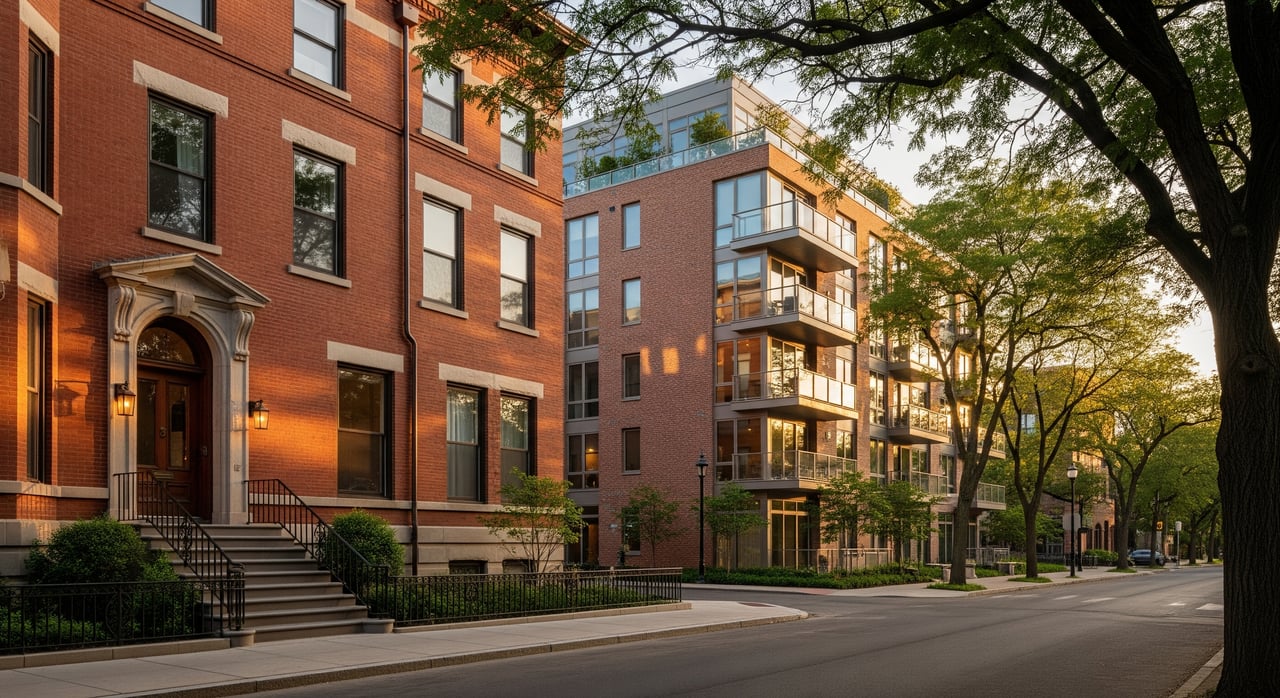
Lowry Hill East offers a mix of late 19th and early 20th century rowhouses, duplexes, and small apartment buildings, plus low- to mid-rise condos and apartments. You will also find infill townhomes and newer condo developments on former single-family or commercial lots. Lots near the Greenway tend to be smaller, and some buildings have limited private yard space.
If you are comparing homes across several blocks, confirm construction dates and materials through the MLS or county records to understand how each property was built and updated.
Zoning varies by block, with multiple residential districts that can allow multifamily and infill. Parcels close to the Greenway may attract redevelopment interest. Before you plan changes, confirm the property’s zoning district, any overlays, and whether historic guidelines apply through the city’s planning pages at Community Planning and Economic Development.
Trails and greenways are commonly viewed as neighborhood amenities. The net impact on value depends on a specific property’s orientation to the corridor, privacy and noise tradeoffs, and local comparables. For broader context on amenity effects, review national research from the Rails-to-Trails Conservancy, then focus on recent sales within a short walk of your target block.
Use this quick checklist while you tour and review listings:
Several agencies and community groups play a role in the corridor:
If you have a specific concern, Minneapolis 311 is a helpful starting point for service requests and maintenance questions.
If living close to the Midtown Greenway fits your lifestyle, you can find great options in Lowry Hill East, from classic walk-up condos to character-rich duplexes and updated infill. I’ll help you balance privacy, access, building details, and long-term value so you can buy with confidence. When you are ready to start, connect with Erin Sjoquist for thoughtful, neighborhood-savvy guidance.
April 16, 2026
April 2, 2026
March 24, 2026
March 5, 2026
February 19, 2026
February 5, 2026
January 15, 2026
January 1, 2026
December 18, 2025
Real estate isn’t just about properties — it’s about people, goals, and dreams. I approach every transaction with heart, strategy, and a commitment to achieving the best possible outcome for my clients. Whether you’re navigating a life change or seizing an investment opportunity, I’m here to make it simple, seamless, and successful.
GET IN TOUCH WITH ERIN
ERIN SJÖQUIST
1350 Lagoon Ave Ste 900 Minneapolis MN 55408