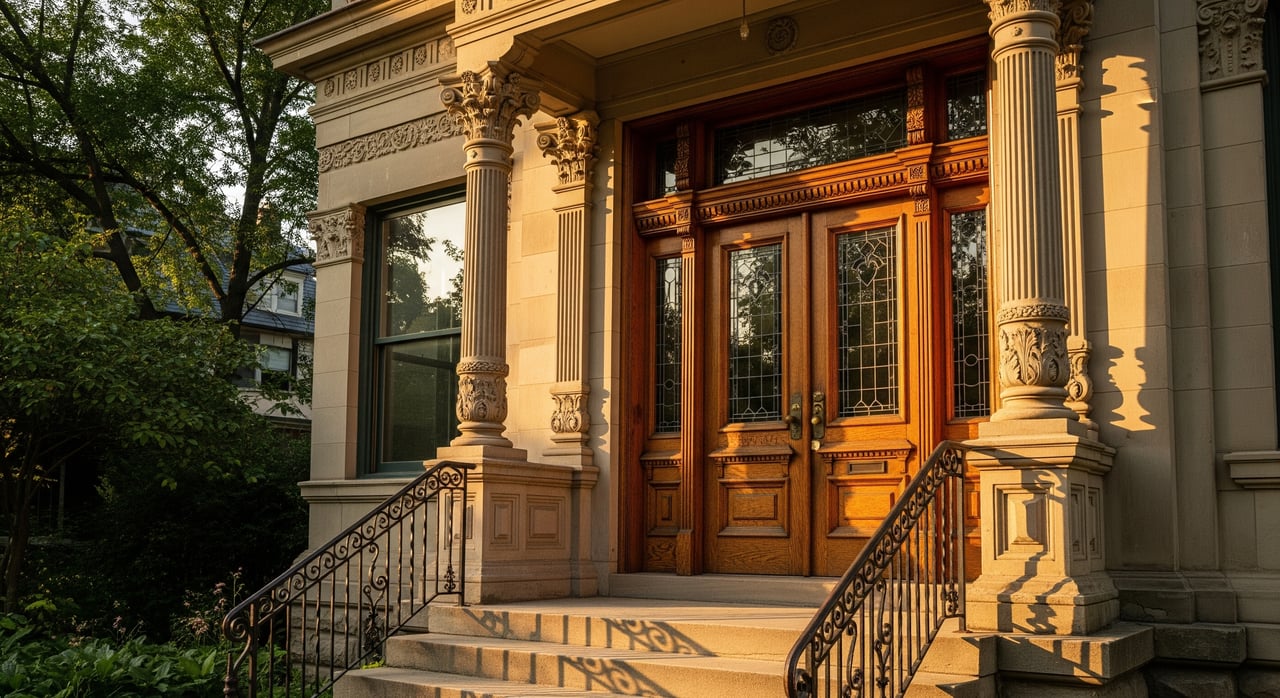
Guide to East Isles Historic Homes & Lowry Hill Details
November 21, 2025
November 21, 2025
Do you love the look of art glass windows, built-in buffets, and warm oak trim you see around Lake of the Isles? If you are drawn to East Isles or Lowry Hill neighborhoods, you are likely noticing homes shaped by the Prairie School and Arts & Crafts movements. Buying or caring for one of these properties can be rewarding when you know what to look for and how to protect it. This guide shows you how to spot original details, assess condition, and plan preservation minded care so you can move forward with confidence. Let’s dive in.
The East Isles and Lowry Hill neighborhoods grew during the late 19th and early 20th centuries near Lake of the Isles. You see strong influences from the Prairie School and related Arts & Crafts design. Local architects emphasized horizontal massing, natural materials, grouped windows, and restrained ornament.
Blocks often feature mature trees, front porches, and carriage houses or early garages. Many houses face parkways or lake adjacent streets, which adds to the neighborhood’s character.
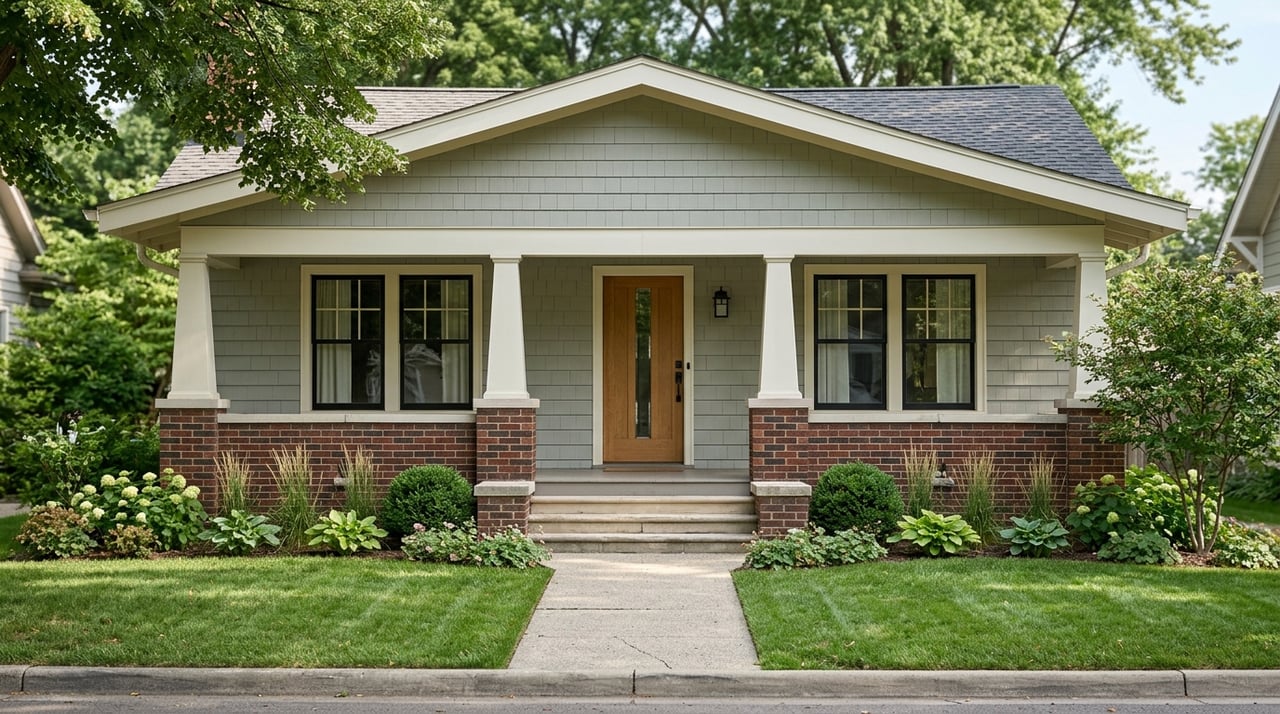
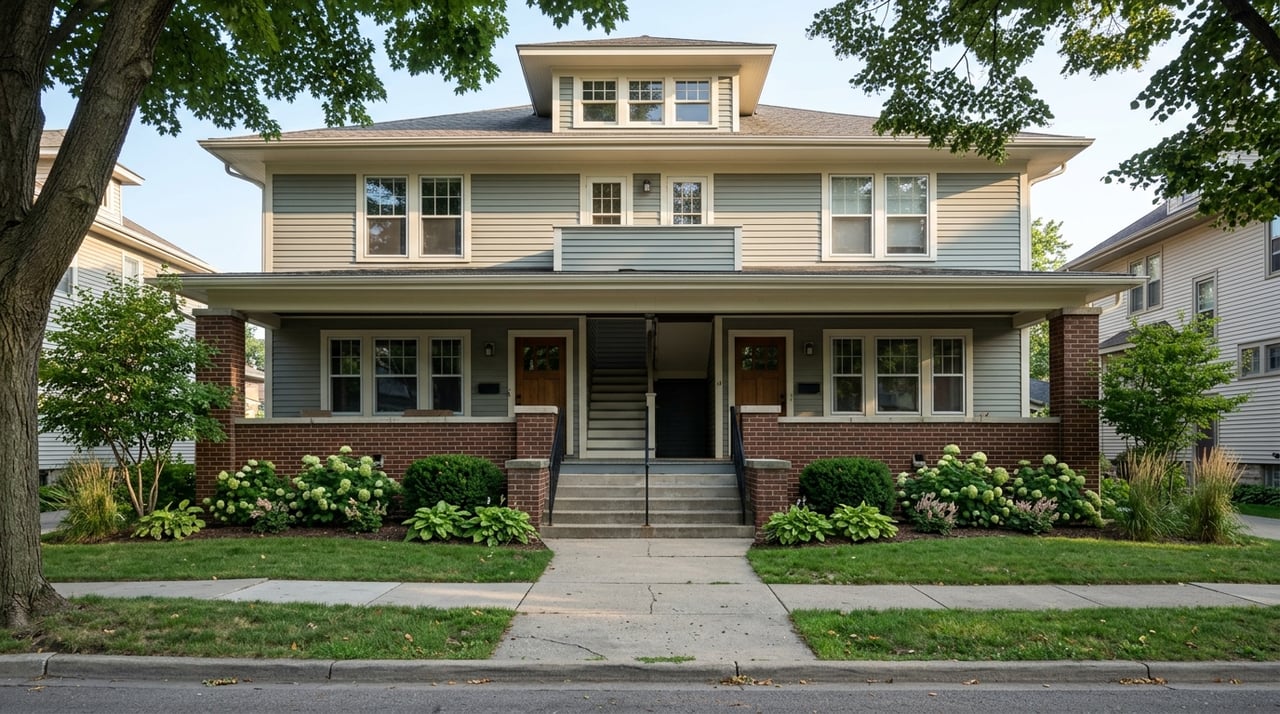
You will often see low to moderate roof pitches with wide overhanging eaves that make the house look grounded. Porches tend to be integrated into the main form rather than tacked on. Windows are often grouped to emphasize horizontal lines.
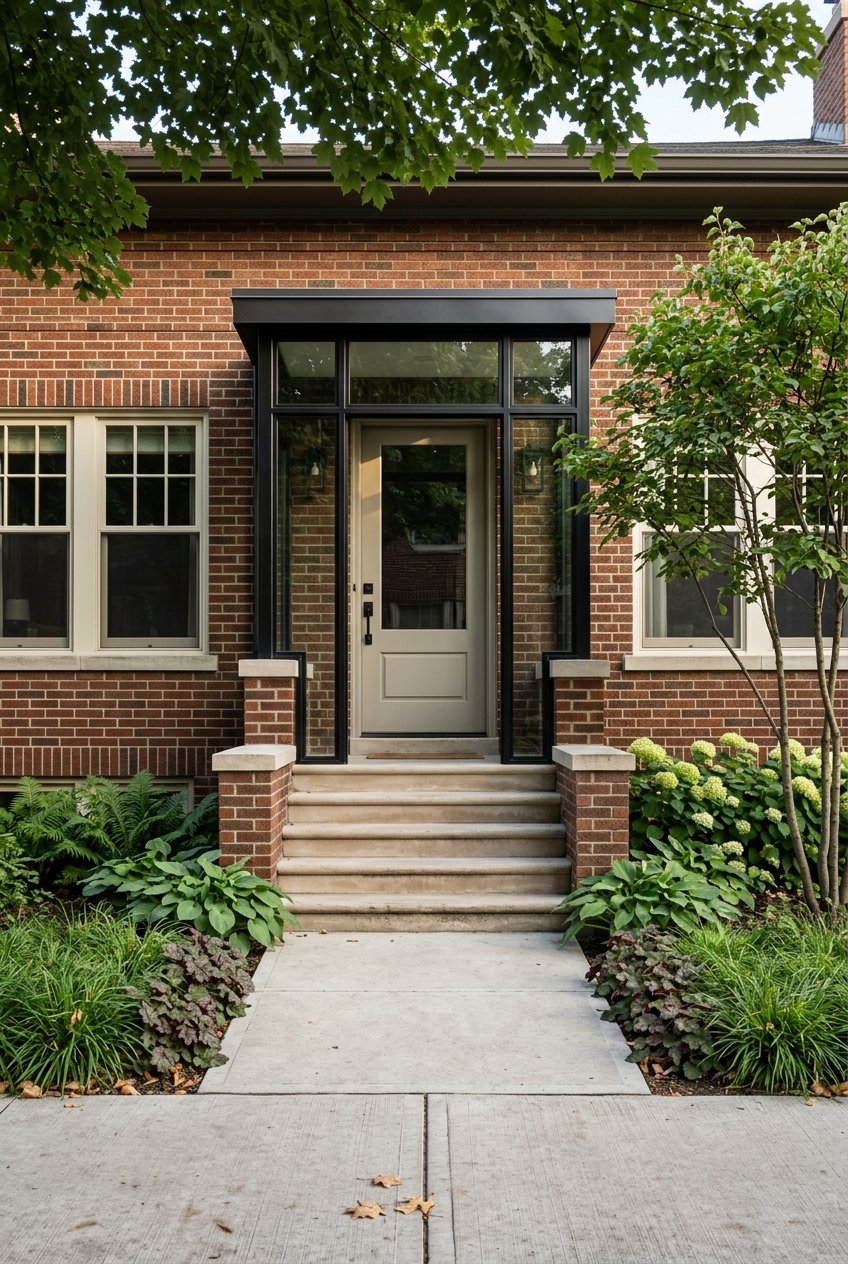
Common cladding includes red or brown brick, stucco, and wood clapboard. Brick may feature simple banding or soldier courses above windows or doors.
Original windows are usually wood double hung sash. Look for multi pane upper sash over a single lower sash, such as 3 over 1 or 4 over 1 patterns. Prairie inspired homes may include geometric art glass in transoms or casements.
Details matter. Original muntins have crisp profiles, glazing putty may be visible, and sash thickness feels substantial. You may notice rope-and-weight counterbalances in the jambs and early brass sash locks or fasteners.
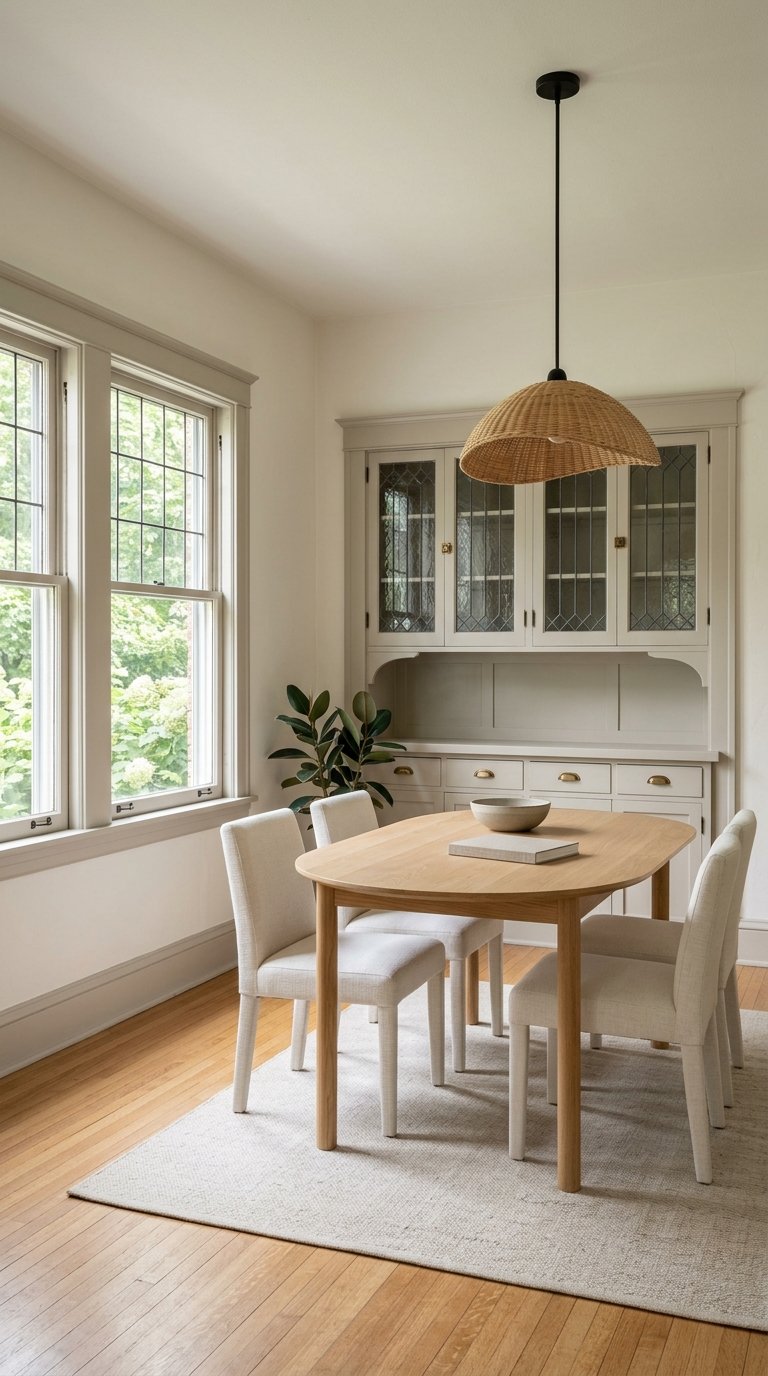
Many homes feature wide casings, tall baseboards, and picture rails with consistent profiles. Built-in cabinetry is common, often in oak or other hardwoods with stained or varnished finishes that show the grain.
As you tour, note the shape of trim profiles, stop beads, and corner rosettes. Matching profiles throughout a home often indicate original or well-preserved millwork.
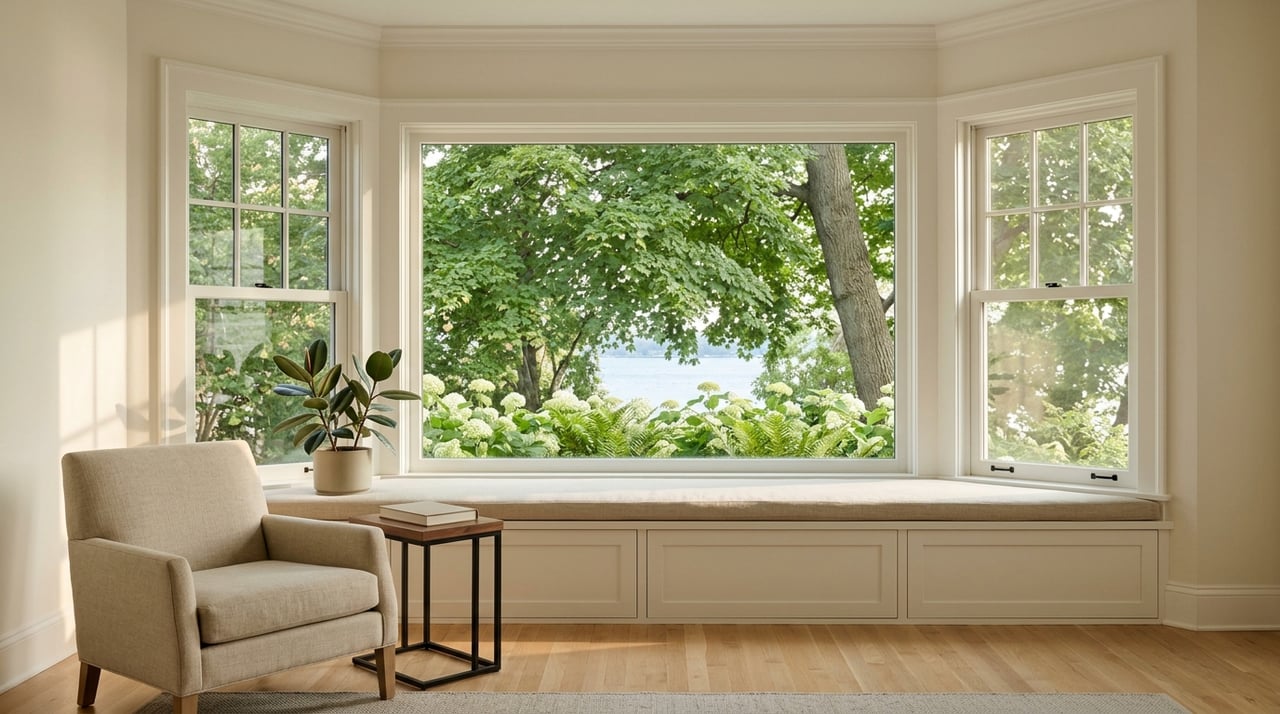
Look for built-in bookcases flanking openings, window seats, dining room sideboards, and boxed staircases. These pieces define spaces and add storage without breaking the flow.
Floor plans usually move clearly from public rooms to private rooms. A central living room with a prominent hearth is a common feature.
Masonry fireplaces often include tile surrounds and patterned tile hearths. Motifs tend to be geometric, in line with Prairie and Arts & Crafts aesthetics.
Chimney construction and tile choices can help date a house. Note condition and any evidence of past repairs.
You may find mortise locks, brass doorknobs, decorative hinges, and early 20th century light switches like porcelain or Bakelite. Some pieces carry maker’s marks and feel heavier than modern parts.
If hardware looks uniform and period-appropriate, it may be original or carefully restored.
Lath and plaster walls are common in older homes. Original hardwood floors are often oak or maple. You may find simple craftsman moldings or early wallpapers beneath later layers.
Older paint layers may include lead based finishes, which is common in homes built before 1978. Plan for safe testing and handling if you are considering renovation.
Consider a preservation savvy inspector when you see structural movement, significant masonry issues, widespread roof deterioration, or compromised stained glass or millwork. Engage qualified professionals for testing and advising on potential lead based paint or asbestos. A historic preservation architect or conservator can guide sensitive repairs.
The guiding approach is simple: repair first, then replace in kind when needed, and favor reversible methods.
Repairing original sash preserves historic character and often costs less than full replacement when done correctly. Combine repair with weatherstripping and quality storm windows to boost performance.
If replacement is necessary, retain original frames and trim where possible. Match sash profiles, muntin patterns, and wood species, and save original glass or hardware for reuse.
Start with the attic and lower level insulation where it has minimal visual impact. Be cautious with insulation in masonry wall cavities, which can trap moisture. Right size high efficiency mechanicals and add controlled ventilation for indoor air quality.
Prioritize life safety and code compliance. Plan new runs through existing chases or closets to avoid damage to historic finishes. When visible fixtures need replacement, select options that complement period character.
Test existing finishes before stripping. Use the gentlest effective methods. When replicating millwork, match wood species and profiles. Document original assemblies with photos before any removal.
Repair porch elements with in kind materials and replicate original column or baluster profiles. Repoint brick with mortar that matches original strength, color, and joint profile. Choose roofing materials that are sympathetic to the period.
Some exterior changes on designated properties or within local historic districts require review by the Minneapolis Heritage Preservation Commission. Always confirm permit and review requirements before altering exterior materials or windows.
At the state level, the Minnesota State Historic Preservation Office provides guidance and information on incentives. Certain properties listed in the National Register that complete qualified rehabilitation work may be eligible for federal historic rehabilitation tax incentives administered by the National Park Service.
Research your home’s history through Hennepin County property records and Minneapolis building permit records. These sources can help you verify construction dates, track alterations, and understand past ownership.
If you are selling or planning a restoration, clear visuals help tell the story of your home’s character:
Add brief captions with preservation tips, such as “Storm windows improve comfort while keeping the original sash intact.”
If you want a home that blends craftsmanship with everyday comfort, East Isles or Lowry Hill offer great opportunities. With the right plan, you can keep original character while upgrading for today. If you are weighing a purchase or preparing to list, you do not have to navigate the details alone.
For preservation minded guidance and a strategy tailored to East Isles or Lowry Hill, connect with Erin Sjoquist.
August 13, 2026
August 6, 2026
July 16, 2026
July 2, 2026
June 18, 2026
June 4, 2026
May 21, 2026
May 7, 2026
April 16, 2026
Real estate isn’t just about properties — it’s about people, goals, and dreams. I approach every transaction with heart, strategy, and a commitment to achieving the best possible outcome for my clients. Whether you’re navigating a life change or seizing an investment opportunity, I’m here to make it simple, seamless, and successful.
GET IN TOUCH WITH ERIN
ERIN SJÖQUIST
1350 Lagoon Ave Ste 900 Minneapolis MN 55408