Thinking about how the Minneapolis 2040 Plan could shape your block in Lowry Hill East? You are not alone. Whether you own a classic early‑century home, you are eyeing a duplex conversion, or you are exploring an ADU over the garage, the plan raises real questions about what is possible. This guide breaks down the key parts in plain English so you can plan with confidence.
Let’s dive in.
What Minneapolis 2040 is
Minneapolis 2040 is the city’s comprehensive plan that guides how land use, housing, transportation, and environmental policy evolve through 2040. It sets the policy framework the City uses to update zoning rules, capital investments, and permitting procedures over time. The plan itself does not change rules on any single parcel. Zoning maps, ordinances, and the zoning code carry out those changes.
For housing, the plan prioritizes three goals you will feel in Lowry Hill East:
- Increase housing supply and variety, especially missing‑middle options like duplexes, triplexes, and small multi‑unit buildings.
- Focus more homes near transit and corridors to support walkability and everyday convenience.
- Reduce barriers like high parking minimums that add cost and limit options.
Why this matters in Lowry Hill East
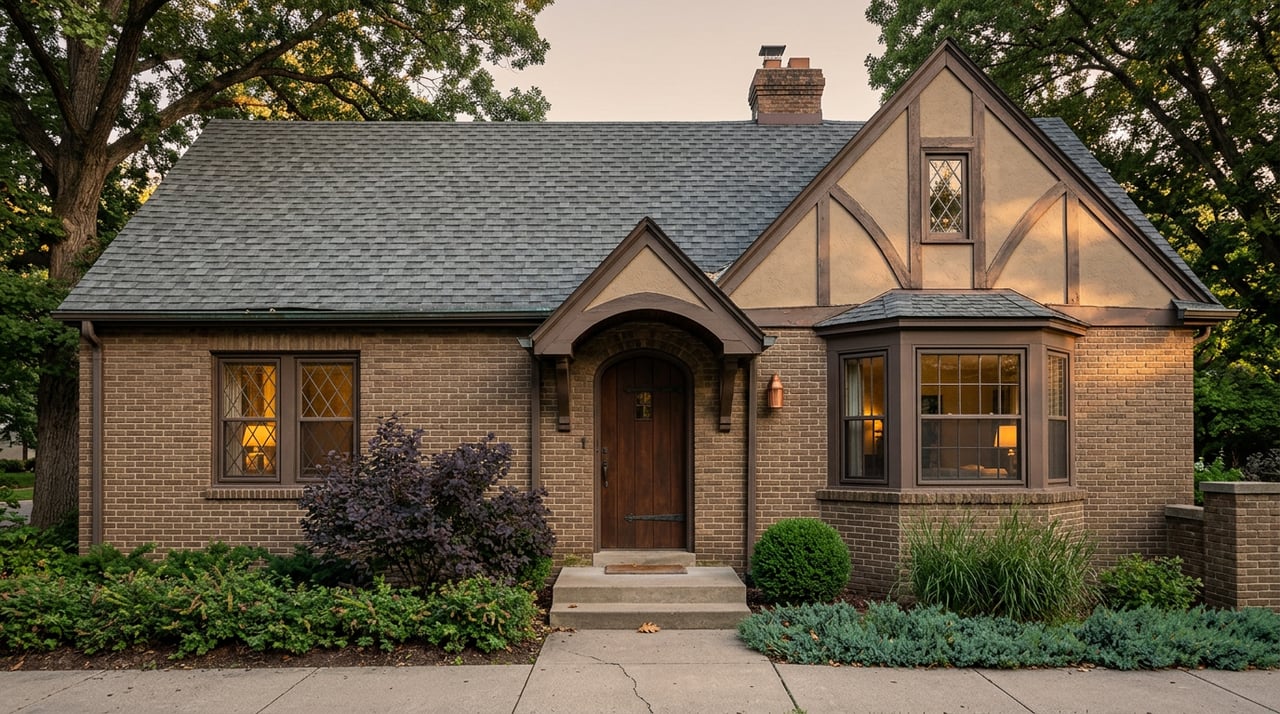
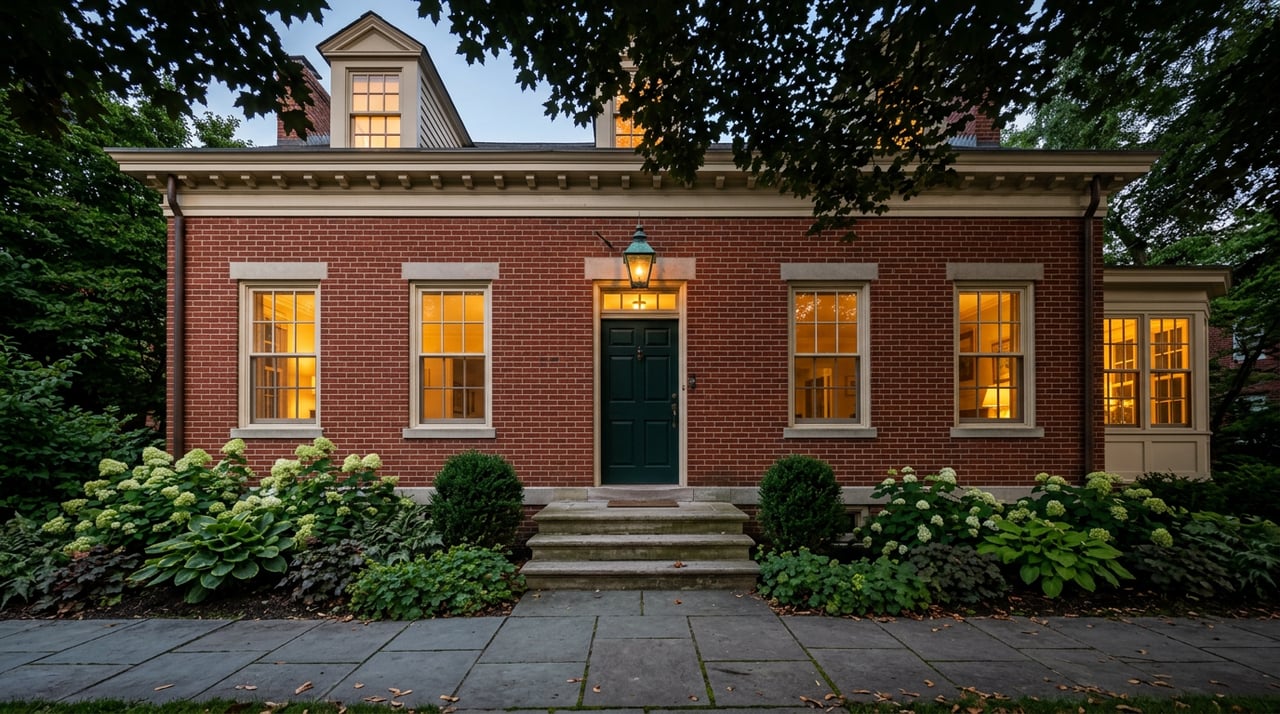
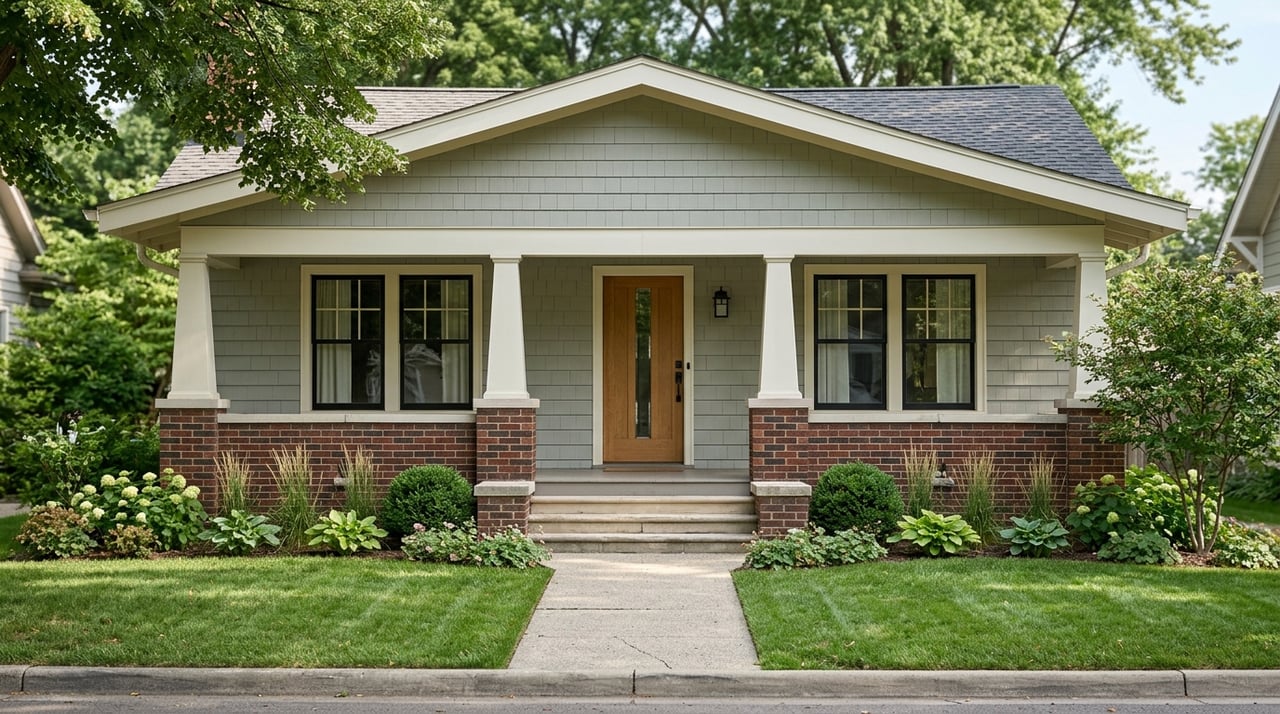
Lowry Hill East is an inner‑city neighborhood with a wide mix of older single‑family homes, small apartment buildings, and newer infill condos and townhomes. Many blocks have alleys and relatively narrow lots. You are close to transit and commercial corridors, which often influences what is feasible on a given parcel.
Here is how typical LoHi features intersect with the plan’s direction:
- Smaller or narrow lots. These can constrain additions at ground level and push more creative solutions like interior conversions or upper‑level units.
- Alley access. Rear access can make detached ADUs or modest rear infill more workable, especially for access and parking.
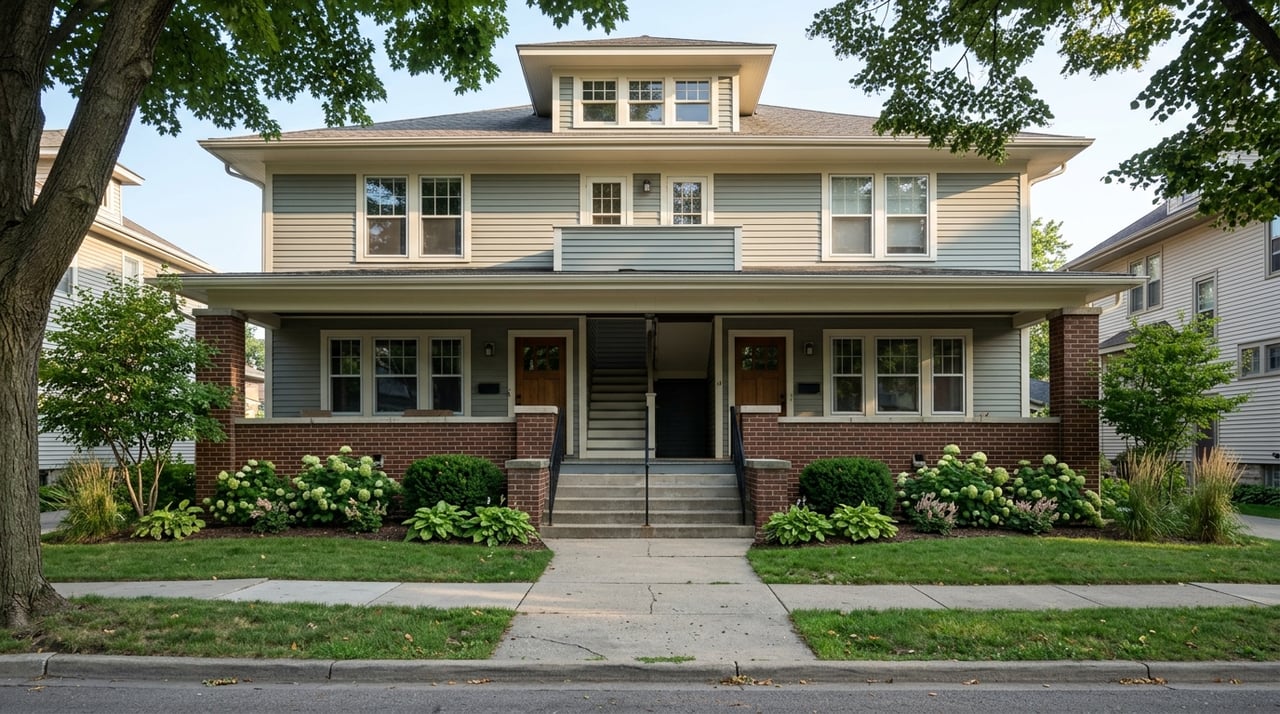
- Existing missing‑middle buildings. LoHi already has many small apartment buildings and historic conversions. In some locations, the housing types the plan encourages already exist.
- Proximity to corridors and transit. Many parcels sit near arterial streets and higher‑frequency bus routes, which can affect parking requirements and density under the current zoning.
- Historic resources. If a property is locally designated or within a historic district, exterior changes and demolition can require heritage preservation review. Always confirm status before you plan.
Housing types and your lot
The plan supports more housing types citywide, including duplexes, triplexes, and small multi‑unit buildings. After the plan was adopted, the City updated zoning districts and regulations to implement this direction in many residential areas. What you can build on your specific lot still depends on your current zoning district, any overlays, and the development standards tied to those rules.
- Number of units. The allowed unit count is set by your parcel’s zoning, not the plan text. Some lots may allow multiple units by right, others may need review or may not allow it.
- Height, setbacks, and lot coverage. These dimensional standards control building size and placement. Narrow or shallow lots may need careful design to meet them.
- Overlays and special districts. Historic designation, conservation areas, and corridor overlays can add steps or limit exterior changes regardless of base zoning.
ADUs in Lowry Hill East
Accessory Dwelling Units are a key tool the plan supports to broaden housing choices. In many residential zones, you can pursue an ADU that is attached to the main home or built as a detached unit. Actual permissions and standards come from the zoning code and any ADU ordinances in effect.
What to expect:
- Permits and code. An ADU requires building permits and must meet rules for size, setbacks, height, entrances, egress, and utilities.
- Site factors. Alley access often makes detached ADUs easier for access and parking. Tree protection, lot coverage, and existing garage placement can affect design.
- Overlays. Historic designation or other overlays can add review steps and may limit exterior alterations.
Parking and transit proximity
The plan emphasizes lower parking barriers, especially near higher‑frequency transit. In practice, whether you need on‑site parking, or how much, depends on the zoning rules for your parcel and how close you are to qualifying transit corridors. Do not assume parking is waived by default. Verify requirements before you design your project.
What to check on your parcel
Before you buy, add an ADU, or plan a conversion, gather the basics. These steps can save time and headaches later.
- Look up your current zoning district on the City of Minneapolis zoning map.
- Check for overlays such as historic districts or landmarks, corridor overlays, floodplain, and conservation areas.
- Confirm lot dimensions, lot coverage limits, and any recorded covenants or easements.
- Verify the current unit count and legal use on record.
- Talk with City Planning and Economic Development (CPED) or the zoning administrator to confirm what is allowed by right versus what needs a variance or conditional use.
- Review applicable sections of Title 20, Zoning Code for dimensional and use standards that apply to your parcel.
Common project paths in LoHi
Here are frequent scenarios owners and small investors explore, plus typical approval paths. Exact steps depend on your lot’s zoning and overlays.
Add an ADU to an existing home
Often feasible in many residential zones. You will need building permits and must meet ADU standards for size, height, setbacks, and life‑safety. Alley access or an existing driveway can simplify access and parking.
Convert a large single‑family home to a duplex or add interior units
Many areas now allow duplexes or triplexes, but you must meet current zoning, building, and fire code. Plan for life‑safety separations, egress, and possible upgrades to mechanicals and electrical. Exterior changes in historic areas may trigger review.
Replace a tear‑down with a small multi‑unit building
Along or near corridors, some parcels may allow a small apartment building. Expect site plan review, careful compliance with height and floor‑area limits, and more detailed design. Community feedback and design refinements can add time, so budget for it.
Infill on a vacant or subdivided lot
Where zoning permits multiple units, new infill can be possible. Lot splits must meet subdivision rules, minimum lot area and width, and frontage requirements. Early pre‑application conversations with CPED are helpful.
Practical constraints to plan for
Even small projects can be complex. Build in time, budget, and contingencies for:
- Soft costs. Design, engineering, surveys, and plan review fees.
- Utilities and site conditions. Service upgrades, foundation issues, tree protection, grades, and drainage.
- Parking rules. Requirements can vary block to block depending on transit proximity and overlays.
- Public process. Variances, conditional uses, or historic review can add hearings and schedule lead time.
Tips for buyers and small investors
- Underwrite the real project, not just the idea. Confirm the exact unit count, parking, and dimensional standards allowed by zoning before you close.
- Study the block. Narrow lots, alley presence, and adjacent structures affect your massing options and whether a detached ADU makes sense.
- Prioritize code paths that are by right. Designs that fit the code cleanly can avoid variances and reduce timeline risk.
- Use LoHi’s housing mix as a model. Many existing duplexes and small apartments show how unit entries, parking, and massing can work on similar lots.
- Factor in preservation. If the house is designated or within a historic district, expect exterior changes to be reviewed. This can be a feature if you plan sensitive improvements.
How Erin supports your next step
You do not have to decode the plan alone. With deep neighborhood experience and a preservation‑minded approach, Erin helps you align your goals with what the code actually allows. Her Rethos Old Home Certification and background with historic and character homes fit the fabric of Lowry Hill East, while investor experience brings practical insight into cash flow and rehab scope.
If you are considering a sale, purchase, ADU, or small infill project in LoHi, let’s talk through the path that matches your lot, your budget, and your timeline. Start the conversation with Erin Sjoquist.
FAQs
What is the Minneapolis 2040 Plan in simple terms?
- It is the city’s long‑range policy guide for land use, housing, transportation, and equity. It shapes zoning and permitting but does not directly change rules on a single lot without implementing ordinances and map updates.
How does Minneapolis 2040 affect a Lowry Hill East lot?
- It encourages more housing types near transit and corridors. What you can build still depends on your parcel’s current zoning district, overlays, and the zoning code’s dimensional standards.
Can I add an ADU on my Lowry Hill East property?
- Many residential zones allow ADUs under specific rules for size, setbacks, height, and life‑safety. You need building permits and must follow any overlay requirements, including historic review when applicable.
Can I convert my LoHi single‑family house to a duplex or triplex?
- Possibly. Many areas now allow more than one unit, but the parcel’s zoning, overlays, and building and fire code requirements control feasibility. Confirm details with CPED before you design.
Will parking be required for my LoHi project near transit?
- Parking minimums may be reduced near higher‑frequency transit, but this is not automatic. Requirements depend on your parcel’s location and applicable zoning rules.
How do I find my Lowry Hill East property’s zoning and overlays?
- Use the City of Minneapolis zoning map to look up your parcel’s district and any overlays, then confirm details with CPED or the zoning administrator.
Do historic designations in LoHi limit what I can build?
- Historic districts or landmarks can restrict demolition and govern exterior changes. They can add review steps, so check status early and plan your design accordingly.