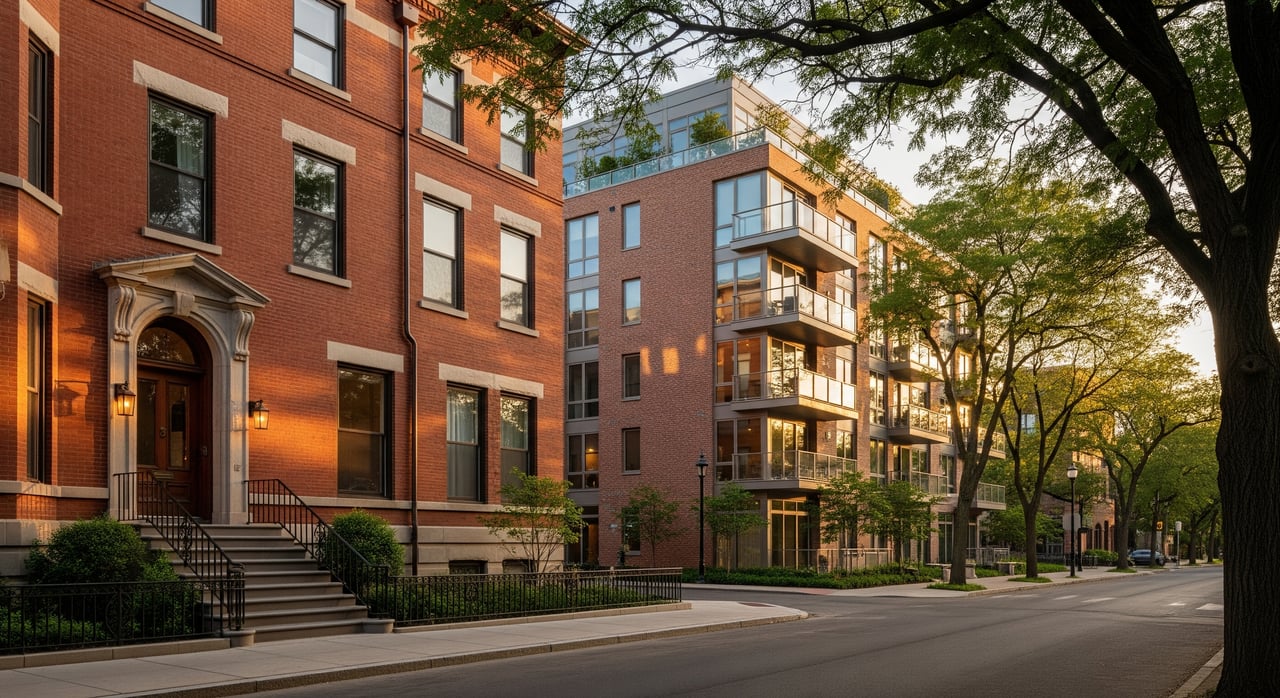
Townhome vs Condo in Lowry Hill East: Find Your Best Match
December 18, 2025
December 18, 2025
Torn between a townhome and a condo in Lowry Hill East? You are not alone. In this walkable Minneapolis neighborhood, both options can offer style, convenience, and a smart path to ownership, but the day to day experience and long term costs can be very different. In this guide, you will learn what you actually own with each option, how fees and financing work, what to ask during showings, and how local factors like parking, snow removal, and historic buildings can shape your decision. Let’s dive in.
When you buy a condo, you typically own the interior of your unit from the walls in. You also share ownership of the common elements, which can include the building exterior, hallways, grounds, and mechanical systems. Your rights and responsibilities are defined by a recorded declaration, bylaws, and association rules, along with state regulations.
The key takeaway is that condo ownership ties you into the association for shared decisions and costs. Expect regular dues and, at times, special assessments for big projects.
Townhomes come in two legal forms:
This distinction matters for financing, insurance, taxes, and renovation rules. In Lowry Hill East, always verify whether a listed townhome is fee simple or condo form before you fall in love. The label “townhome” on a listing does not guarantee fee simple ownership.
Most condos have monthly dues that cover building insurance, common area maintenance, snow removal, landscaping, reserves, trash, and sometimes utilities or heat. Townhome dues vary. A fee-simple townhome might have lower dues if you handle more exterior upkeep yourself. A condo form townhome often has dues similar to a condo building.
Request the current budget, year to date financials, and any reserve study. Review recent dues changes and ask about projected special assessments. These documents reveal the health of the building and whether big projects are on the horizon.
Healthy associations build reserves for future capital repairs such as roofing, exterior work, HVAC, and pavement. When reserves are low, special assessments may be used to fund major projects. Ask for the reserve study and assessment history for the past 3 to 5 years. This is one of the best windows into true long-term cost, especially in older buildings common to Lowry Hill East.
Condo associations typically carry a master policy that covers the building and common areas. As a condo owner, you buy an HO-6 policy to cover your interior improvements and personal property. Your policy may also need to cover the association deductible or your share in a claim.
Fee simple townhome owners usually carry an HO-3 or similar single-family policy. You are responsible for exterior repairs unless your HOA specifically covers some elements. Insurance needs and premiums can vary based on how responsibilities are divided, so confirm exactly what the HOA insures versus what you insure.
Condos often come with additional lender scrutiny. Some loan programs require the condo project to be approved, and lenders may look at owner occupancy ratios, reserves, and delinquencies. If you plan to use FHA or VA financing, check project eligibility early.
Fee simple townhomes often finance more like single family homes, with fewer project level hurdles. This can be a smoother path for buyers with standard conventional loans.
Property taxes are set by Hennepin County and do not change simply because a property is a condo versus a townhome. What does change is the assessed value, which considers factors like parcel ownership, finished square footage, and nearby comparables. Look up specific tax figures for the property you are considering and verify how taxes are split for the unit.
If you travel often or want low-maintenance living, a condo or an HOA that includes exterior care might be the better fit. If you want control over exterior decisions, a fee simple townhome may be more appealing.
Condos in Lowry Hill East often sit in low rise buildings or historic conversions with shared green areas and modest private outdoor space such as a balcony or small patio. Townhomes more commonly include a private yard, stoop, or patio along with direct street access. For small pets, grilling, or gardening, a townhome’s outdoor areas can be a real asset. Confirm whether outdoor spaces are limited common elements or part of a fee-simple parcel, since that affects what you can change and how it is insured.
Parking can be tight in inner-city neighborhoods. Condo buildings sometimes include assigned underground parking or a shared lot, while townhomes often include garages or driveways. Verify deeded parking, visitor parking rules, and any city permit requirements. If you commute or entertain often, this detail can make or break day to day convenience.
In Minneapolis, snow removal is no small matter. Ask who clears sidewalks, walkways, driveways, and roofs, and whether it is included in dues. Owners can be responsible for sidewalk clearing to meet city ordinances. Winter services and heating costs should factor into your budget and lifestyle planning.
Condo owners usually have freedom with cosmetic updates inside the unit, but association approval may be required for changes that affect building systems or shared elements. Fee simple townhomes often allow more control over exterior and interior projects, but HOAs can still restrict certain materials or appearances. Read the alteration or architectural review procedures and note approval timelines if you plan to renovate.
Many condos set rules for flooring to reduce noise transfer, which can limit hard surface flooring in upper units. Ask about noise mitigation requirements, any history of complaints, and enforcement practices. If your plans include new flooring or you are sensitive to noise, these rules and the building’s construction type matter for comfort and resale.
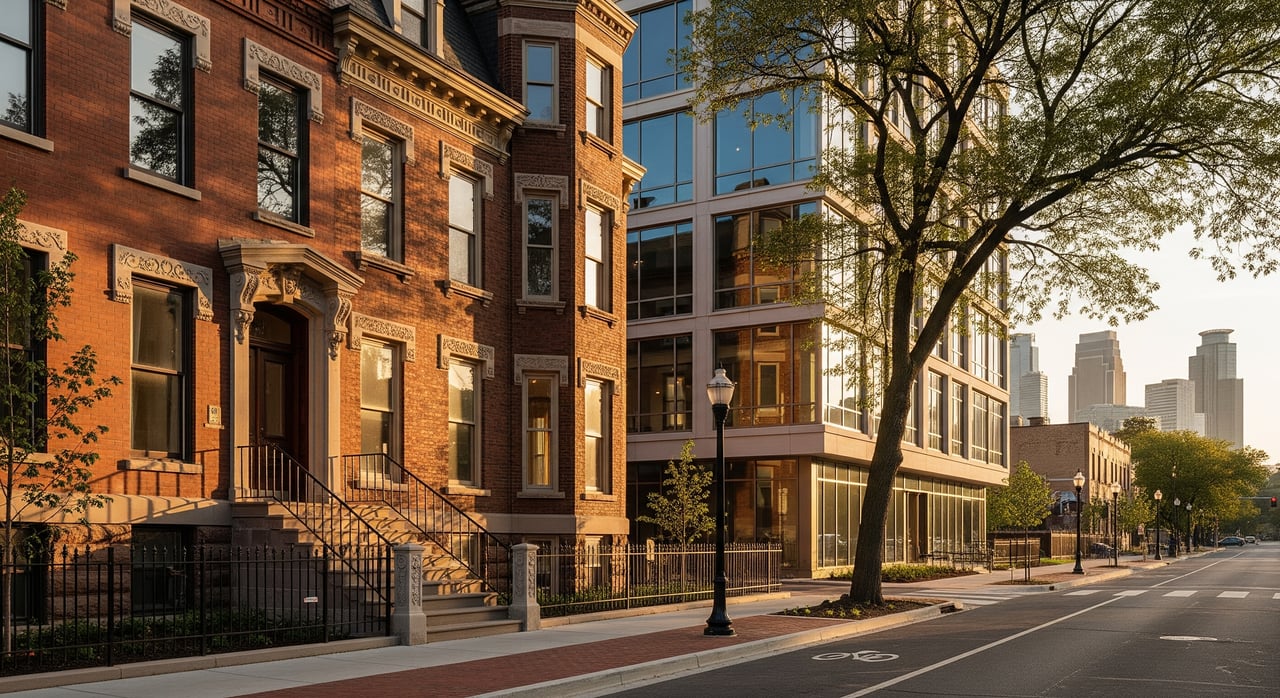
Lowry Hill East includes many older and historic structures. If a property is within a the Lowry Hill East Residential Historic district or subject to preservation review, exterior changes could require permits and specific materials. Plan for longer timelines and potentially higher costs for exterior work on these properties. The upside is that well stewarded buildings often maintain strong neighborhood character and appeal.
Condos attract buyers who value amenities and low maintenance. Townhomes, especially fee simple, appeal to those who want a single family feel with a smaller footprint. When comparing options, review the building’s owner-occupancy rate, rental policies, assessment history, and any litigation. These factors can affect financing, buyer demand, and your resale timing.
If you value walkability and design character, Lowry Hill East offers exciting options in both townhomes and condos. Your best fit comes down to how you want to live day to day, how much maintenance you want to handle, and how the association’s finances support long-term value. If you want help evaluating specific buildings, reviewing HOA documents, or balancing renovation plans with resale goals, connect with a neighborhood-savvy advisor who understands historic construction and urban living.
Have questions about a specific property or building? Reach out to Erin Sjoquist for clear, local guidance tailored to your goals.

April 16, 2026
April 2, 2026
March 24, 2026
March 5, 2026
February 19, 2026

February 5, 2026
January 15, 2026
January 1, 2026
December 18, 2025
Real estate isn’t just about properties — it’s about people, goals, and dreams. I approach every transaction with heart, strategy, and a commitment to achieving the best possible outcome for my clients. Whether you’re navigating a life change or seizing an investment opportunity, I’m here to make it simple, seamless, and successful.
GET IN TOUCH WITH ERIN
ERIN SJÖQUIST
1350 Lagoon Ave Ste 900 Minneapolis MN 55408